How to Choose Print Bags for Global Sourcing in 2026?
Choosing Print Bags for global sourcing in 2026 requires more than comparing unit prices. Buyers must examine material performance, print quality, supplier reliability, and regional compliance requirements. A bag that looks attractive on a product page may wrinkle during ocean transit, lose color under warehouse lighting, or fail when filled with heavier goods.
Dr. Susan Selke, a respected packaging engineer and sustainability author, has emphasized: “Packaging is a system, not simply an object.” That principle matters when selecting Print Bags. The system includes film structure, ink adhesion, sealing strength, carton protection, shipping conditions, and end-of-life considerations. Small details matter. A matte pouch can show fingerprints. A thin seal can split at the corner. A vivid design can become dull after extended exposure to heat.
Practical sourcing decisions should begin with the product itself. Does it contain powder, liquid, clothing, cosmetics, or food? Each category creates different barrier, hygiene, and durability needs. Request production samples, not only digital mockups. Test filled bags under compression and handling conditions. Ask suppliers for material specifications, quality-control records, factory capacity, and documented compliance evidence.
There is no perfect bag.
A lower-cost option may reduce shelf appeal. A premium structure may exceed the project’s budget. Even experienced buyers can overlook a regional recycling limitation or an underestimated lead time. Therefore, this guide examines how to balance design, performance, sustainability, supplier capability, and total landed cost when sourcing Print Bags globally in 2026.
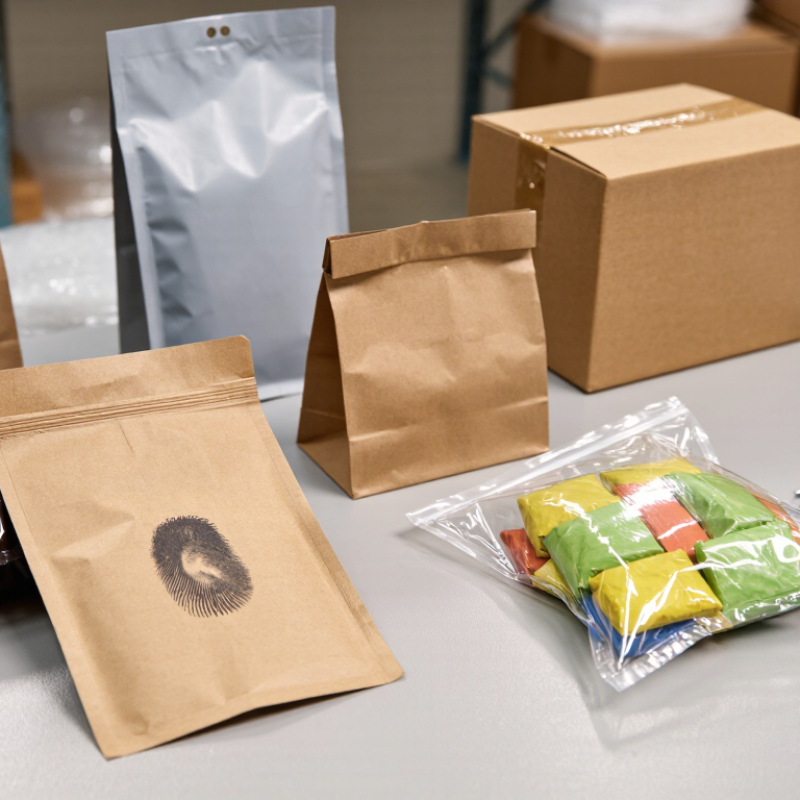
Define Global Sourcing Requirements for Printed Bags
Global sourcing starts with a precise definition of the printed bag, not a supplier shortlist. Record the filled product, bag length, width, gusset, opening, seal type, and target weight. Specify the film structure, thickness, barrier needs, print colors, finish, and artwork tolerance. A 2% size error can affect shelf presentation and filling speed. Small details become expensive overseas.
Use measurable purchasing requirements. Request pre-production samples, seal-strength data, drop-test results, and production inspection records. ISO 2859-1 can guide sampling plans, while laboratory testing should verify dimensions, ink adhesion, odor, and migration where relevant. Define acceptable defects with photographs. “Good print quality” is too vague. It invites arguments. Include annual volume, trial quantity, minimum order quantity, lead time, packing method, port, and agreed delivery terms.
Sustainability requirements also need evidence.
The OECD’s Global Plastics Outlook reports that packaging represents about 40% of global plastic use, making material choices important. The World Bank’s What a Waste 2.0 report estimated 2.01 billion tonnes of municipal solid waste were generated globally in 2016. Ask suppliers for material composition, recycled-content evidence, and disposal guidance. Certification can help, but paperwork alone is not proof. I would also allow a controlled exception for a slightly thicker film if it reduces leakage and total waste. That judgement needs testing, not optimism.
Evaluate Suppliers, Certifications, and Production Capabilities
Choosing print bags for global sourcing in 2026 requires more than comparing unit prices. Supplier evaluation should begin with traceable experience. Ask how long the factory has produced similar bags, which markets it serves, and whether it can provide recent production records. Request samples from different batches, not only a polished showroom sample. Inspect print sharpness, seam strength, handle attachment, odor, and surface consistency.
Certifications matter only when their scope matches your product. Check certificate numbers, issuing organizations, expiry dates, and covered facilities. For food-contact or recycled-content claims, request supporting test reports from qualified laboratories. Environmental statements should include measurable evidence, such as material composition or recycled percentage. A certificate alone does not prove every production batch is compliant.
Production capability should be tested under realistic conditions. Confirm printing methods, color-matching controls, minimum order quantities, lead times, and backup equipment. Ask for the factory’s hourly output and its quality checkpoints. A controlled pre-production sample can reveal registration errors before mass manufacturing begins. Packaging and export documents also deserve review.
I once trusted a capacity figure without checking peak-season schedules. It caused avoidable delays. Capacity on paper can differ from capacity available to your order. Leave room for corrective production, port delays, and inspection time. Keep written specifications, approval records, and change controls. Reliable sourcing depends on evidence, repeated communication, and the willingness to question attractive promises.
How to Choose Print Bags for Global Sourcing in 2026?
This procurement scorecard uses a 100-point evaluation model for comparing print-bag suppliers. Certification and compliance verify regulatory readiness, while production capability, quality control, sustainability, print performance, and lead-time reliability indicate whether a supplier can support consistent global sourcing.
 Innotex Group