How to Choose the Best Packaging Bags for Global Shipping?
Choosing the right Packaging Bags for global shipping is more than selecting the lowest unit price. A bag that looks strong in a warehouse may fail after vibration, compression, rain, and temperature changes. Product weight, dimensions, moisture sensitivity, and handling conditions should guide the decision. A small electronic part may need antistatic protection, while coffee or textiles may require moisture barriers and odor control. Packaging Bags should also match the outer carton, pallet pattern, and storage period.
Reliable selection combines supplier evidence with practical testing. Request material specifications, seal-strength data, and samples from each production batch. Conduct drop tests with realistic contents. Check whether seams split, corners puncture, or labels peel after condensation. International shipments may pass through several climates before delivery. That detail is easy to underestimate. Recyclability, shipping volume, and disposal practices also deserve attention. A thinner bag may reduce material use, but it can create more damage claims and replacement waste. The cheapest option is not always economical.
There is no flawless Packaging Bags solution for every product. An export manager may need to revise the design after observing crushed corners or moisture marks. This is not failure; it is useful evidence. Supplier audits, documented quality checks, and recognized packaging test methods can improve confidence. Requirements still vary by destination, carrier, and product category. Professional judgment matters. A careful process protects goods, controls costs, and supports a more dependable global shipping operation.

Packaging Bag Types and Their Global Shipping Applications
How to Choose the Best Packaging Bags for Global Shipping?
Choosing a packaging bag begins with the cargo, route, and handling conditions. A lightweight poly mailer suits clothing, soft goods, and non-fragile items moving through parcel networks. Its welded seams resist rain, while its flexible body reduces empty space in cartons. However, it offers little protection against crushing. Use caution.
For sharp-edged products, a reinforced woven bag provides stronger tear resistance during loading and transfer. This type works well for bulk textiles, agricultural materials, and durable industrial components.
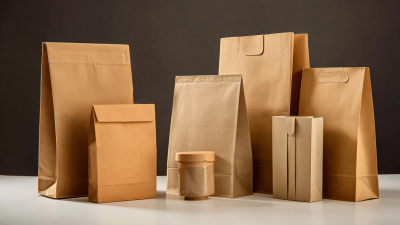
Paper shipping bags fit documents, books, and dry goods when recyclability and printability matter. They may soften after prolonged humidity, especially during sea or port storage. A moisture-resistant liner can help, but it may complicate recycling in some destinations.
That trade-off deserves a real review, not a convenient assumption. Padded mailers protect small electronics, accessories, and fragile items during parcel delivery. Barrier bags help protect moisture-sensitive electronics, metal parts, and packaged food when approved for intended contact. Food-contact shipments require material declarations and destination-specific checks.
Global shipments face compression, vibration, temperature changes, and repeated handling. Select bag thickness, closure style, and cushioning after testing a filled sample. Drop tests and short humidity trials reveal weaknesses that product photos hide. A secure zipper may fail when overfilled.
I have found that the cheapest bag is rarely the lowest-cost option after returns and repacking. Still, testing every route is expensive, so risk-based sampling is more practical.
Document dimensions, weight limits, materials, and disposal guidance for each shipping lane. These details support consistent purchasing and clearer communication with carriers and customers.
Key Factors for Selecting Bags Across International Supply Chains
Choosing shipping bags across international supply chains requires more than checking thickness. UNCTAD’s Review of Maritime Transport 2023 reports that over 80% of global merchandise trade by volume moves by sea. Sea routes expose packages to humidity, salt air, vibration, compression, and long storage periods. Select bags for the real route, not only the warehouse.
Consider puncture resistance, seam strength, closure security, load capacity, and barrier performance. Small failures matter.
The World Bank’s 2023 Logistics Performance Index evaluates logistics across 139 economies, highlighting reliability, tracking, and delivery timeliness. Bags should support these priorities through clear labels, scannable identification, stable dimensions, and consistent palletization.
Test samples with drop, vibration, compression, and seal-strength procedures aligned with recognized ASTM or ISTA methods. Keep records from different climates. A result from a dry laboratory may not predict performance inside a humid container.
Material efficiency also deserves careful judgment. The OECD’s Global Plastics Outlook reports 353 million tonnes of plastic waste in 2019, with packaging representing about 40 percent. Reducing material can help, but an overly thin bag may cause leaks, repacking, and product loss.
I would question any specification chosen only for its lowest purchase price. No bag is perfect. A practical choice balances protection, recyclability, handling speed, and total shipment risk.
Conditions change. Specifications should be reviewed after real transport incidents, not just annual purchasing cycles.
Material, Strength, and Protection Requirements for Long-Distance Transit
Choosing packaging bags for global shipping starts with the product’s real journey, not its appearance. A thin polyethylene bag may suit lightweight garments, while woven polypropylene offers better resistance for dense or rough cargo. For moisture-sensitive goods, multilayer films can slow humidity, odors, and oxygen. Material selection should match the contents, weight, climate, and handling conditions.
Strength requires more than a high thickness number. Check tensile strength, tear resistance, puncture resistance, and seam performance. A sharp corner can defeat an otherwise strong bag. In practical packing tests, fill the bag fully, lift it repeatedly, and drag it across a rough surface. Test the seal after vibration and compression. Small failures matter. A thicker bag is not always safer.
Long-distance transit exposes packaging to rain, salt air, temperature changes, stacking pressure, and repeated movement. Use inner liners when contamination or moisture is a concern. Add cushioning around corners and avoid empty space that allows shifting. Transparent bags help inspection, but opaque layers may protect light-sensitive contents better. I would also review supplier test reports, sampling records, and batch consistency. One weakness remains: laboratory tests cannot perfectly copy every route, port, or warehouse. Build a margin for uncertainty, then recheck the design after real shipments.
Customs, Sustainability, and Compliance Considerations by Destination
Choosing packaging bags for global shipping requires more than comparing price and thickness. Customs officers may check the declared material, HS code, country of origin, and commercial invoice. A bag described only as “plastic packaging” can create delays. Record its polymer type, recycled content, dimensions, and intended use. Do not guess.
Destination rules can differ sharply. The European Union’s Packaging and Packaging Waste Regulation entered into force in February 2025, with wider requirements applying from August 2026. These rules increasingly address recyclability, recycled content, labeling, and producer responsibility. In the United States, environmental claims should also follow evidence-based guidance, especially for terms such as “recyclable” or “compostable.” Local facilities may not accept the same materials. Check the destination, not just the product specification.
Sustainability claims need measurable support. The OECD’s Global Plastics Outlook reported 353 million tonnes of plastic waste in 2019, while only 9% was recycled. This makes lightweight design useful, but lightweight does not automatically mean sustainable. Evaluate recycled content, barrier layers, inks, adhesives, and end-of-life collection. A single-material bag may simplify sorting, yet it can lose strength in humid ports. That trade-off deserves testing. The International Trade Centre also emphasizes accurate trade documentation as a practical condition for smoother cross-border transactions. Keep supplier declarations, test results, and compliance records together. Requirements change. A review every shipment cycle may still be insufficient.
How to Choose the Best Packaging Bags for Global Shipping? — Customs, Sustainability, and Compliance Considerations by Destination
| Destination | Customs and Import Considerations | Sustainability Priorities | Packaging Compliance Considerations | Suitable Bag Characteristics | Recommended Documentation and Checks |
|---|---|---|---|---|---|
| United States | Use an accurate commercial invoice, correct HS classification, country-of-origin marking where required, and a clear description of the goods. Wood packaging may need to meet ISPM 15 requirements. | Recyclable mono-material polyethylene or paper-based solutions may support recycling goals when accepted by the local system. Avoid unnecessary layers and unsupported environmental claims. | Packaging rules can vary by state. Extended producer responsibility requirements apply in some jurisdictions and may cover packaging placed on the market. Check state-specific labeling and reporting rules. | Durable Moisture-resistant Recyclable where accepted Tamper-evident mailers or strong PE-based bags are suitable for many non-hazardous products. | Commercial invoice, packing list, transport document, HS code review, origin information, and verification of state packaging obligations for the importer or seller. |
| European Union | Provide an accurate customs declaration, HS code, origin, value, and importer details. Products entering the EU must also meet applicable product-safety and customs requirements. | Prefer packaging that is lightweight, resource-efficient, and designed for recycling. Minimize mixed materials, excessive empty space, and non-essential components. | The EU Packaging and Packaging Waste Regulation introduces harmonized requirements, including recyclability and waste-prevention objectives, with obligations phased in over time. National EPR registration and reporting may also apply. | Mono-material Easy to separate Low material use Use recyclable paper or compatible plastic structures supported by the destination’s collection and recycling infrastructure. | Commercial invoice, packing list, origin data, importer details, packaging material specification, recyclability evidence, and applicable national EPR information. |
| United Kingdom | Prepare customs declarations with the correct commodity code, customs value, origin, and importer information. Great Britain and Northern Ireland can involve different customs arrangements. | Reduce packaging weight and use materials that can be collected and recycled through relevant UK systems. Avoid vague claims such as “eco-friendly” without evidence. | UK packaging producer responsibility rules may require registration, data reporting, and recycling obligations depending on business size, activity, and packaging volumes. Packaging taxes may apply in certain circumstances. | Lightweight Recyclable design Clear material identification Use paper bags or recyclable plastic mailers when their end-of-life route is reasonably available. | Commercial invoice, packing list, commodity code, origin information, packaging weight data, material composition, and review of UK producer-responsibility obligations. |
| Canada | Customs documentation should include an accurate description, tariff classification, value, origin, and consignee details. Certain goods may require permits or additional declarations. | Select low-weight packaging with a practical recovery route. Reusable shipping bags may reduce single-use material when reverse logistics are reliable. | Packaging and recycling requirements are mainly influenced by provincial and territorial programs. Product claims and labeling should be accurate and supported by evidence. | Cold-resistant if needed Recyclable Reusable options Choose tear-resistant bags for long-distance transport and climate variation. | Commercial invoice, packing list, HS code, origin data, product-specific permits where applicable, and review of provincial packaging obligations. |
| Australia and New Zealand | Biosecurity controls are important. Packaging, pallets, and dunnage made from untreated wood or contaminated materials can create inspection or treatment risks. Keep packaging clean and free from soil and organic residue. | Avoid unnecessary natural-fibre or untreated plant-based materials when they may create biosecurity concerns. Use lightweight materials with documented end-of-life pathways. | Australia uses a national packaging covenant framework and state-based waste rules; New Zealand has product stewardship and waste-minimisation measures. Requirements may differ by product and jurisdiction. | Clean Dry Pest-resistant Sealed synthetic bags can reduce contamination risk for suitable goods; avoid untreated wood components unless compliant. | Commercial invoice, packing list, biosecurity declarations where required, treatment certificates for regulated wood packaging, and inspection of packaging cleanliness. |
| Japan | Use precise product descriptions, tariff classification, value, origin, and importer information. Some products require additional approvals or labeling under product-specific laws. | Compact, lightweight packaging is valued because it reduces transport volume and waste. Avoid excessive wrapping and unnecessary inserts. | Japan has packaging recycling obligations for certain businesses and materials. Packaging labels should be accurate and understandable for the intended market. | Compact Neat presentation Material separation Use strong, space-efficient bags with clear material information and minimal mixed construction. | Commercial invoice, packing list, origin data, product-specific certificates if required, packaging material details, and Japanese-market labeling review. |
| India | Customs clearance generally depends on accurate classification, valuation, importer details, and required product documents. Product-specific permissions may apply to food, chemicals, cosmetics, and other regulated goods. | Select packaging that balances durability with material reduction. Recycled-content or recyclable options should be supported by reliable supplier documentation. | Plastic packaging may fall under India’s Plastic Waste Management framework, including extended producer responsibility obligations for covered entities. Local registration and reporting responsibilities should be checked. | Heat-tolerant Moisture-resistant Traceable materials Use robust bags suitable for variable handling and storage conditions while avoiding unnecessary laminate layers. | Commercial invoice, packing list, HS code, origin data, product certificates where applicable, packaging composition, and review of EPR responsibilities. |
| United Arab Emirates | Accurate invoices, packing lists, HS codes, origin, consignee information, and any product-specific conformity documents are important for clearance. Rules can differ between mainland and free-zone operations. | Prioritize lightweight, durable packaging that protects goods from heat, dust, and humidity without excessive material use. | Requirements may depend on emirate-level authorities, product category, labeling rules, and import arrangements. Environmental claims and recycled-content statements should be verifiable. | UV-resistant Heat-resistant Dust protection Use sealed, moisture-resistant bags for products sensitive to heat, humidity, or airborne contamination. | Commercial invoice, packing list, certificate of origin, conformity documents where applicable, product labeling review, and confirmation of local authority requirements. |
Testing, Cost Evaluation, and Final Packaging Bag Selection Criteria
Choosing packaging bags for global shipping starts with evidence, not appearance. In trial shipments, fill sample bags with the real product and record weight, dimensions, and closure pressure. Expose them to compression, vibration, drops, moisture, and temperature changes. Small tears often appear near corners. That detail matters. A bag passing one warehouse test may fail after repeated handling. Use qualified laboratory testing when shipment value or distance justifies the expense. Keep test reports, sample codes, and acceptance limits for traceability.
Cost evaluation should include more than the unit price. Calculate material, printing, sealing labor, storage space, freight volume, damage rates, and disposal requirements. A thinner bag may save money initially, yet create costly returns. We once underestimated oversized bags’ effect on pallet efficiency. The forecast looked excellent. The delivered freight cost did not. Recheck calculations with actual carton counts and regional transport data. Compare minimum order quantities and lead times too. Cheap is not always economical.
Final selection should balance protection, usability, consistency, and measurable risk. Choose the lightest construction that passes handling criteria without leaking, splitting, or losing its closure. Check opening speed, label adhesion, stacking behavior, and performance after storage. Request material specifications and recent quality records from suppliers. Verify each production batch against approved samples. A practical scorecard can rank protection, cost, reliability, and environmental impact. Leave room for review. Conditions change, and assumptions can be wrong. Approve the design only when repeated batches produce consistent results.
Related Posts
-
How to Choose the Right Custom Made Packaging Bags for Your Business Needs
-
How to Identify the Best Custom Food Packaging Suppliers for Your Business: Key Industry Insights
-

Revolutionizing Brand Identity: The Impact of Custom Logo Packaging on Consumer Perception
-
Overcoming Challenges in Costume Packaging: Navigating Quality and Efficiency Issues
-
Creative Approaches to Custom Sustainable Packaging That Make a Difference
-
Understanding Specifications: A Comprehensive Guide to Custom Best Packaging Bags