How to Choose Custom Product Packaging for Your Brand?
Choosing Custom Product Packaging is not just a matter of picking a color and adding a logo. It is a practical brand decision. The package must protect the product, fit the way it is shipped, and feel right in a customer’s hands. A glass jar may need a snug insert, while a soft pouch needs a clear, readable label. Small details matter.
Paul Rand, an influential design expert, wrote, “Design is the silent ambassador of your brand.” That idea applies to packaging: customers often meet the box before they meet the product. A clean layout can signal care. A flimsy mailer, even with beautiful printing, may tell a different story. Rand’s words are a useful reminder, though design alone cannot solve a poor fit or weak protection.
When comparing options, consider product dimensions, shipping conditions, opening experience, print quality, and material choices. Request a physical sample. Fold it, fill it, and check whether the product shifts during handling. Then review the artwork at actual size; tiny text can look fine on a screen and disappear on a package.
The best choice is rarely the most elaborate one. It should suit the product, the customer, and the brand’s real capabilities. There may be trade-offs. A premium finish can raise costs, and a lighter package may need more testing. This guide explores those decisions, including where careful measurement helps—and where assumptions deserve a second look.
Define Your Brand’s Packaging Goals and Requirements
Custom packaging should solve a clear business problem, not just look attractive.
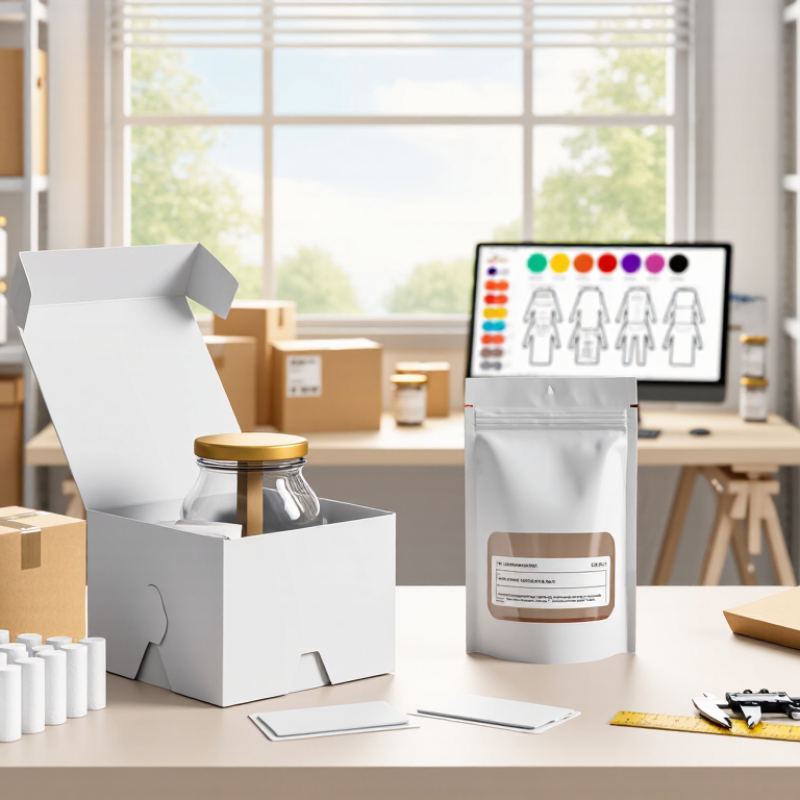
Decide whether it needs to protect fragile goods, improve shelf visibility, simplify packing, or create a memorable unboxing experience. A shipping box for glass jars needs cushioning and a snug fit; a retail sleeve may need clear product information and easy opening. Write down priorities before requesting samples. Include product dimensions, shipping conditions, order volume, budget, and print needs.
Set targets you can check, such as fewer damaged deliveries, less empty space, or faster packing. McKinsey’s 2020 US consumer survey found that 60 to 70 percent of respondents were willing to pay more for sustainable packaging. Treat this as a signal, not a guarantee: the survey is dated and US-specific. Ask your own customers, then compare material options for protection, cost, and disposal. The brief may still be imperfect. A material that sounds greener may not suit your product or local recycling options.
Tips: Test a filled sample through handling and shipping. Check that labels remain readable and closures stay secure. Record what fails, even if the first sample looks good.
Assess Product Protection, Size, and Shipping Needs
Custom packaging should protect the product without adding empty space. Start by checking fragile points: glass corners, loose lids, sharp edges, or parts that can shift. Choose cushioning that prevents movement, then test a packed sample with drops, vibration, and compression. ISTA transport-testing procedures offer practical methods for evaluating these risks. A neat prototype is not proof.
Test it.
Measure the packed item, not just the product. A carton that is too large can increase dimensional shipping charges and allow contents to collide; one that is too tight may crush corners or leave no room for protective inserts. EPA’s 2018 municipal waste data counted 82.2 million tons of containers and packaging, or 28.1% of total U.S. municipal solid waste. OECD’s Global Plastics Outlook reports that packaging made up 40% of plastic waste in 2019. Those figures make excess material worth questioning, but cutting cushioning blindly can cause damage and replacements. I still find this balance easy to misjudge. Compare a few box sizes using real packed samples, and record damage, weight, and shipping cost before settling on a design.
Select Packaging Materials, Formats, and Printing Options
Start with the job the package must do. A glass jar needs cushioning; a folded shirt may need little more than a neat mailer. Paperboard feels sturdy and prints well, while corrugated board handles rougher shipping. Flexible pouches save space but may not suit every product. Consider moisture, weight, storage, and how customers will open the package. There is no perfect material.
Choose a format that fits the product closely. Oversized boxes can waste filler and raise shipping costs; tight inserts can make removal frustrating. Measure the product, then leave room for protective layers where needed. A small sample helps. Check the fit with the actual item, not just a drawing. I still find this step easy to underestimate.
Printing choices shape both appearance and legibility. Digital printing can suit shorter runs, while other processes may be more practical for larger quantities. Ask for a physical proof, especially when color matters. A screen preview can mislead. Matte finishes feel understated, but fingerprints may show; glossy coatings add shine, yet can cause glare. Test the package under ordinary shop or home lighting, and check that instructions remain readable after handling.
Create a Design That Balances Branding and Usability
Custom product packaging should make your brand recognizable without slowing down the customer. Picture someone opening a box on a kitchen counter, with one hand free. A clear logo, consistent colors, and one useful message can create a memorable impression. Keep product details easy to find. Make sure decoration does not cover opening tabs, labels, or handling instructions. A beautiful box that tears awkwardly is still a poor experience.
Tips: Test a printed sample before ordering in bulk. Open it with dry and damp hands. Check whether the product slides, rattles, or needs extra padding. Ask a few people to try it without guidance. Their hesitation can reveal more than a polished mockup.
Choose materials and structure around the product’s weight, shape, and shipping route. A snug fit can reduce movement, but overly tight packaging may frustrate customers. Your first design may look better on screen than in real life; that is worth admitting early. Compare prototypes under ordinary lighting, and note where ink rubs off or folds weaken. Refine those details while keeping the visual design simple. Usability is not a finishing touch. It is part of the brand experience.
Compare Suppliers, Costs, Samples, and Sustainability Claims
Choosing custom packaging is a trade-off between shelf impact and practical costs. Ask each supplier for the same specifications: material, dimensions, print coverage, minimum order quantity, tooling fees, and delivery terms. Compare landed cost, not just the unit price. Freight, setup charges, and damaged units can change the calculation quickly. Samples can disappoint. Check a printed sample under store lighting, then test it with the actual product. A box that looks sturdy on a desk may buckle during transit.
Request written evidence for sustainability claims. The 2023 Global Buying Green Report by Trivium Packaging found that 82% of surveyed consumers were willing to pay more for sustainable packaging. That signals interest, not proof that a particular material is better. Ask suppliers for recycled-content percentages, certifications, and clear instructions on local disposal. The American Forest & Paper Association reported a 68% paper recycling rate in the United States for 2022; that figure does not guarantee every coated or mixed-material package is recyclable.
Compare samples and claims side by side. A lighter pack may reduce shipping weight, but only if it still protects the product. Ask for transit-test results and check whether inserts, adhesives, or coatings complicate recycling. One detail is easy to miss: a supplier’s sustainability document may describe the material, not the finished package. Read the scope carefully, and note what remains uncertain.
 Innotex Group