Top 5 Tips for Efficient Diaper Packing Machine Selection?
In the competitive landscape of the diaper manufacturing industry, selecting the right Diaper Packing Machine is crucial. Recent industry reports from Technavio reveal that the global market for these machines is expected to grow at a compound annual growth rate (CAGR) of 4.3% from 2022 to 2026. This growth underscores the need for informed decision-making when choosing a packing solution.
Expert insights from Dr. Sarah Thompson, a leading authority in packaging technology, highlight the importance of efficiency in this selection process. She states, "The choice of a Diaper Packing Machine can significantly impact production speed and cost-efficiency." As manufacturers face increased pressure to optimize operations, understanding the essential features and capabilities of these machines becomes more vital.
However, the decision-making process can be complex. With a myriad of options available, companies might overlook crucial factors like machine reliability and maintenance. Balancing initial costs with long-term benefits is tough. Evaluating these machines requires careful consideration to avoid pitfalls. Investing in the right Diaper Packing Machine is not just about meeting current needs but anticipating future demands.
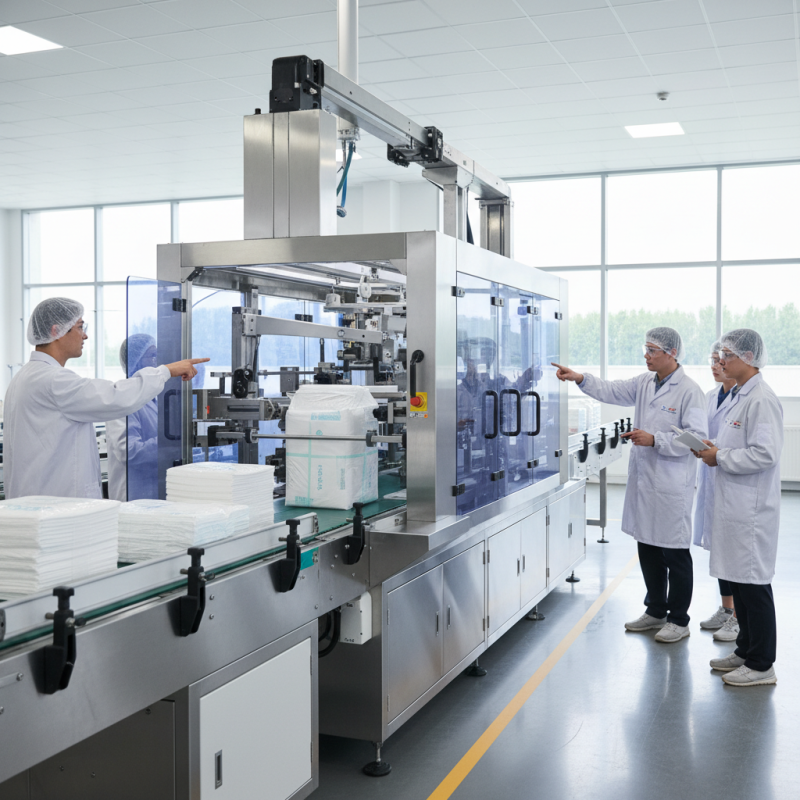
Understanding Diaper Packing Machine Types and Features
When selecting a diaper packing machine, understanding the various types and features available is crucial. Machines vary in speed, capacity, and automation levels. For efficient packing, you need to assess your production needs and facility layout.
Consider a machine’s design. A compact model may save space. However, this might limit output speed. If high volume is your goal, prioritize machines that can handle larger batch sizes. Always pay attention to the ease of operation and maintenance. A complex system can lead to downtime, disrupting production.
Here are some tips to guide your selection. Look for a machine with robust safety features. Quality and compliance are non-negotiable. Ensure it meets industry standards. Evaluate the support offered by the manufacturer. Timely service can prevent long interruptions. Don't forget to run tests before finalizing your decision. This helps gauge performance and meet your specific requirements.
Evaluating Production Capacity Requirements for Your Business
When selecting a diaper packing machine, understanding your production capacity is crucial. Evaluate your average demand ranges. Look into historical data to predict future needs. This analysis informs you on how much output you require daily, weekly, or monthly. A mismatch can lead to either excess inventory or missed opportunities.
Consider these tips during your selection process. Examine equipment specifications closely. Know the machine's output speed and efficiency levels. Ensure they align with your growth projections. It's also wise to involve your production team in the discussion. They can provide insights into workflow and potential bottlenecks.
Keep in mind, every facility is different. What works for one might not suit another. Reflect on your space constraints and maintenance capabilities. Sometimes, the most advanced machine isn’t the best fit. Balancing capability with practicality is key for an efficient production line.
Assessing the Quality and Reliability of Manufacturers
When selecting a diaper packing machine, assessing the quality and reliability of manufacturers is crucial. A study by Research and Markets indicates that 70% of manufacturing inefficiencies stem from equipment failures. Reliability is not just a buzzword; it can significantly impact production rates and customer satisfaction.
Manufacturers should provide data on machine performance, maintenance needs, and customer testimonials. Look for indicators of long-term reliability, such as machine lifespan and service frequency. In one industry report, over 60% of companies experienced downtime due to machinery issues, illustrating the importance of choosing well-established manufacturers.
Furthermore, consider the manufacturer's track record. A report from Technavio found that 55% of companies prefer suppliers with more than a decade of experience. This suggests that experience can enhance reliability. Review industry certifications and quality standards that manufacturers adhere to. A focus on these factors can ultimately lead to more efficient operations and enhanced product quality.
Exploring Automation and Technology Integration Options
In today’s fast-paced market, diaper packing machines play a crucial role. Understanding automation and technology integration options can enhance efficiency. Reports indicate that automation can boost production rates by up to 30%. This is crucial as demand increases globally.
Integration of advanced technology, such as AI and IoT, is becoming more common. These technologies allow for real-time monitoring of production. This way, manufacturers can reduce downtime and improve quality control. According to industry research, companies adopting these technologies see a 15% drop in waste.
However, not all automation solutions fit every operation. It's essential to assess your specific needs and capacity. Some machines may require extensive training, which can be a barrier. Additionally, ongoing maintenance and costs are significant factors to consider. A careful analysis of your objectives and resources is vital in making the right choice.
Considering Budget Constraints and Total Cost of Ownership
Selecting the right diaper packing machine is crucial for any business in the diaper manufacturing sector. When budget constraints are a primary concern, understanding the total cost of ownership becomes essential. This cost extends beyond the initial purchase price and encompasses maintenance, operational efficiency, and potential downtime.
Industry reports indicate that maintenance costs can account for up to 25% of total operating expenses. Regular servicing and unforeseen breakdowns can significantly dent your budget. Investing in more reliable machinery means fewer repairs and reduced downtime. Often, companies prioritize cheap machines without considering long-term expenses. This could lead to higher costs in the long run.
Operational efficiency plays a vital role in the total cost equation. Machines that consume less energy can offer considerable savings over time. According to the International Energy Agency, energy-efficient equipment can lower energy costs by 30%. Choosing a more efficient diaper packing machine not only aligns with budget constraints but also supports sustainable practices. However, striking the right balance between initial cost and long-term savings may require thoughtful consideration and reflection on past purchasing decisions.
 Innotex Group