Top Tips for Choosing the Best Water Tap Hose for Your Needs
When selecting a Water Tap Hose, it's important to understand your specific needs. Not all hoses are created equal; they vary in durability, length, and flexibility. A quality water tap hose can make garden chores and car washes much easier. However, a poor choice can lead to leaks or inefficiencies, wasting both water and time.
Consider the materials used in the hose. Some options may look attractive but offer less durability. Others may be stronger yet heavier than necessary for your tasks. Think about your typical usage: will you need a long reach or prefer compact storage? Additionally, evaluate the fittings. Compatibility with your current tap is crucial.
This decision may seem straightforward, yet the variety can be overwhelming. Crafting the perfect choice requires careful thought and practical experience. Learn from others and reflect on what suits you best. A well-chosen water tap hose can enhance your outdoor experience significantly.
Understanding Different Types of Water Tap Hoses Available in the Market
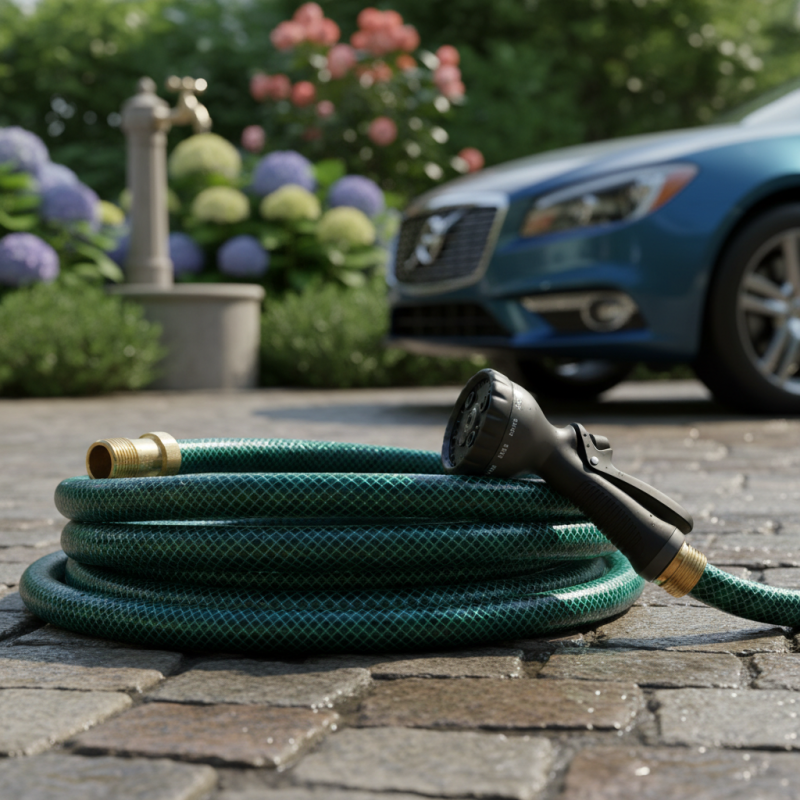
When choosing a water tap hose, understanding the different types available is essential. There are several types of hoses designed for specific tasks. For instance, some hoses are made from rubber, known for durability, while others are lightweight and flexible. If you plan to use the hose for frequent watering, a robust option may be necessary.
Expandable hoses are another popular choice. They start small but expand when water flows through them. This design allows for easy storage. However, some users report wear and tear over time. Always consider how often you'll use the hose before deciding on a type.
Another factor to contemplate is the length of the hose. Longer hoses allow for more mobility but can be cumbersome to store. It’s important to balance convenience with practicality. Finally, consider the fittings. Some hoses come with adjustable connectors for a better fit, while others may leak. A thorough assessment of these elements will help you find the best option for your needs.
Key Factors to Consider When Choosing a Water Tap Hose
When selecting a water tap hose, several key factors come into play. First, consider the length of the hose. It should be long enough to reach your watering areas without causing strain. A hose that's too short can limit your gardening options. On the other hand, a very long hose might be cumbersome to handle. Think about your space and requirements before making a choice.
Material is also essential. A durable, flexible hose ensures longevity and ease of use. Look for hoses made from high-quality materials that can withstand outdoor conditions. It’s wise to select a hose that remains pliable in both hot and cold weather. Remember, hoses can wear out over time, so consider how often you use it.
A practical tip is to check the fittings and connectors. They should be compatible with your existing taps. Also, ensure they create a tight seal to prevent leaks. Don’t overlook the importance of a hose that’s easy to store. Lightweight options often come with retractable features, making tidy storage simple.
Assessing Material Durability and Flexibility in Water Tap Hoses
When selecting a water tap hose, assessing material durability and flexibility is crucial. Common materials include vinyl, rubber, and polyurethane. Vinyl hoses are lightweight and suitable for light-duty tasks. However, they may crack or degrade over time. Rubber hoses are more robust. Yet, they can be heavy and less flexible in cold conditions.
Flexibility plays a vital role in how easy it is to maneuver the hose. A flexible hose twists without kinking. It bends around corners easily. Sturdier materials can resist wear, but not all provide flexibility. Consider your usage environment. If you'll use the hose in extreme temperatures, flexibility may diminish.
It's easy to overlook details when choosing a hose. Quality and price are often conflicting factors. A less expensive option may lack durability, leading to frequent replacements. On the flip side, a premium hose must justify its cost. Understand your specific needs. Think about how often you'll use the hose and in what conditions. Evaluate reviews, but remember they can be subjective. Balancing durability with flexibility requires thoughtful consideration to make the right choice.
Top Tips for Choosing the Best Water Tap Hose for Your Needs - Assessing Material Durability and Flexibility in Water Tap Hoses
| Material | Durability (Years) | Flexibility Rating (1-10) | Weight (lbs) | Price ($) |
| PVC | 5 | 7 | 1.5 | 20 |
| Rubber | 8 | 9 | 2.0 | 30 |
| Vinyl | 3 | 6 | 1.2 | 15 |
| Polyurethane | 7 | 8 | 1.8 | 25 |
| Metal | 10 | 5 | 3.0 | 40 |
Evaluating Length and Size Options for Your Specific Needs
Choosing the right water tap hose requires careful consideration of length and size. Industry reports indicate that most homeowners prefer hoses ranging from 50 to 100 feet for optimal coverage. However, shorter hoses can be more manageable for small yards. It's important to assess your specific area and choose accordingly.
The diameter of the hose significantly affects water flow. Standard options include 5/8-inch and 3/4-inch diameters. A wider diameter can deliver more water, which is beneficial for tasks like washing cars or filling large containers. Conversely, a smaller diameter may suffice for general garden watering. Evaluating these needs ensures you select the best hose for your situation.
While convenience is key, some consumers opt for hoses that might be too long for their requirements. This can lead to tangling and storage challenges. Consider the layout of your outdoor space and avoid unnecessary complications. By taking time to reflect on these factors, you can make a well-informed choice that meets your needs effectively.
Comparing Price Ranges and Warranty Options for Water Tap Hoses
Choosing the right water tap hose can be daunting. Many factors affect the decision, particularly price and warranty options. Research indicates that water hoses can range from $15 to $100. This wide gap suggests that consumers must be mindful of what they need.
Basic models are cheaper but may not last long. Investing a bit more can yield hoses made from higher-quality materials. For example, hoses with reinforced interiors often have enhanced durability. Data shows that hoses with a warranty often perform better. A good warranty can suggest the manufacturer's confidence in their product.
When considering warranty options, pay attention to the terms. Some warranties cover only specific damages. This can leave buyers vulnerable. Optimal choices often feature longer coverage and fewer exclusions. Reflecting on these details helps consumers make informed decisions. A water hose is a recurring purchase; getting it right matters.
 Innotex Group