How to Order Custom Packaging Bags in 2026?
Ordering custom packaging bags in 2026 takes more than choosing a color and adding a logo. Buyers need to match bag structure, dimensions, barrier performance, and closure to the product and its supply chain. The Flexible Packaging Association’s 2024 State of the U.S. Flexible Packaging Industry report estimates U.S. industry sales reached $42.9 billion in 2023. That scale reflects how widely flexible packaging is used, but it does not make every format right for every product.
Start with the product’s weight, fill temperature, shelf-life needs, and shipping conditions. A small coffee roaster, for example, may need a resealable pouch with a high-barrier layer, while a dry-goods brand may prioritize simple filling and efficient storage. Packaging Bags Custom projects also depend on practical details: print-ready artwork, order quantities, sample approval, and lead times. Ask suppliers for material specifications and testing information, not just a digital mockup. Looks can mislead.
Before production, confirm dimensions against the actual product and filling equipment. Check seals, zippers, and print placement on physical samples. Requirements for food-contact packaging vary by market, so verify applicable standards with qualified suppliers and advisers. One detail can change everything. A sample may feel right in hand and still fail on a packing line. The process in this guide helps you compare options, ask sharper questions, and place an order with fewer costly surprises.
Define the Product, Purpose, and Packaging Requirements
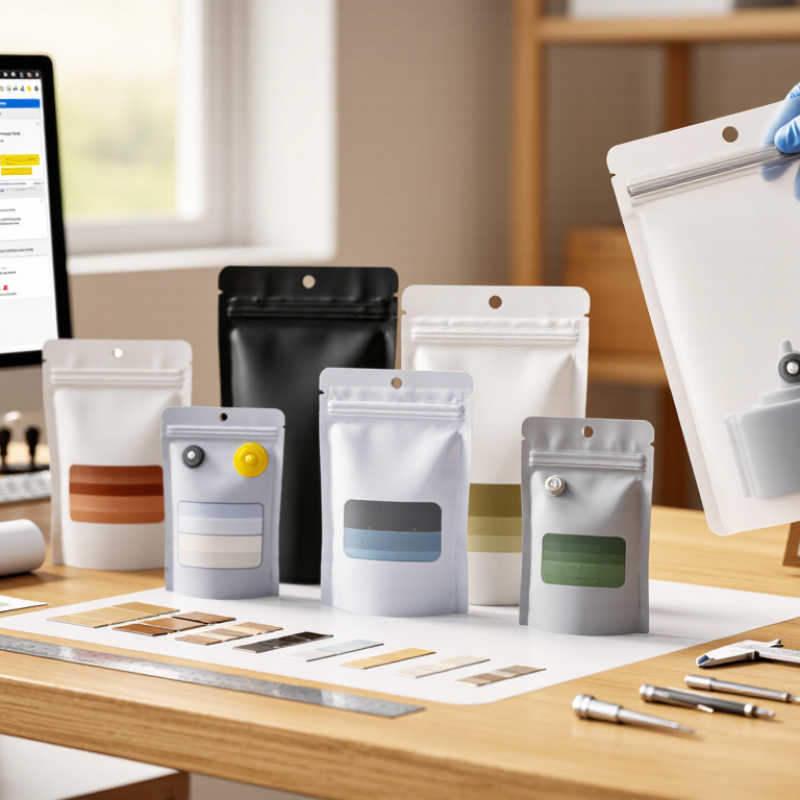
Before ordering custom packaging bags in 2026, define exactly what the bag will hold and how customers will use it. List the product’s weight, dimensions, shape, and any sharp edges. A soft pouch for dry goods needs different protection from a bag holding a dense, delicate item. Describe where the bag will be opened, carried, stored, or displayed. These details help suppliers recommend a practical structure instead of guessing from appearance alone.
Next, set the packaging requirements. Choose the finished bag size, opening style, closure, and material based on product protection and handling. For example, a resealable closure may help when customers use the contents over several days. If bags will be stacked or shipped, ask how the material and seals perform under ordinary pressure. Provide a simple product sample or clear measurements when possible. Small sizing errors matter. Leave enough room for filling, but avoid excess material that makes the package bulky. It is tempting to specify every detail early; some choices may need revision after reviewing a sample.
Tips: Share the intended use, fill weight, and storage conditions when requesting a quote. Ask for a physical sample before approving production. Check the seal and fit with the real product. A mock-up can look convincing, yet feel awkward in hand.
Choose Bag Materials, Structure, Size, and Closure
Choose the bag material around the product’s real needs, not just its appearance. A dry snack may need moisture protection, while a heavy item needs stronger film and sealed edges. Paper can create a natural look, but it may not suit damp storage. Ask your supplier for material details and a sample. Feel the surface. Check how it bends and seals.
The bag structure affects both shelf display and filling. Stand-up pouches work well on narrow shelves; flat bags can be easier to store in cartons. Measure the product after filling, including its widest point, rather than estimating from the empty item. Leave room for a clean seal and comfortable handling. Small details matter. It is easy to over-specify a bag, then discover that the extra gusset adds cost without helping the product.
Choose a closure that matches how customers will use the bag. A zipper helps with repeated opening, while a heat-sealed top can protect contents until first use. Tear notches should be easy to reach, but not so close to the seal that the bag opens during transit. Request a filled sample and test it on your actual packing line. A sample can feel right by hand and still run poorly on equipment. Revise the dimensions or closure if needed before approving the full order.
Set Artwork, Branding, and Regulatory Specifications
Before requesting quotes, define the bag format, filled weight, seal style, and storage conditions. Build artwork on the converter’s dieline, not a flat sketch. Mark bleed, safe zones, zipper placement, gusset folds, and barcode clear space. Keep regulatory copy editable until the sales markets and product details are confirmed. Small details matter.
Color can shift between a screen and printed film. Specify the color reference, finish, and print method, then review a physical proof under neutral lighting. Check small text near seams and folds; a mockup can hide what production exposes. The Flexible Packaging Association’s 2023 State of the Industry report estimated U.S. flexible-packaging sales at $42.9 billion in 2022. That scale makes clear specifications useful, but a polished proof still deserves a second look.
For 2026 launches, list each destination market before approving claims, recycling instructions, material labels, and required languages. The EU Packaging and Packaging Waste Regulation (EU) 2025/40 generally applies from August 12, 2026. Confirm the current requirements with a qualified compliance specialist. Ask the converter to document the material structure and provide test information relevant to the bag’s intended use. Do not assume an old label remains suitable after a design or market change. I have seen tiny copy become the slowest part of approval.
Compare Suppliers, Samples, Pricing, and Production Timelines
How to Order Custom Packaging Bags in 2026?
Start with the bag’s job: what it will hold, how heavy it is, and where it will be stored. Share the target size, material preference, print colors, and estimated order quantity with each supplier. Then compare quotes line by line. A low unit price may exclude setup, shipping, or a sample charge. Ask suppliers to state what each price includes, and request production and delivery estimates separately.
Tips: Order a physical sample before approving bulk production. Check the seal, thickness, color, and fit using the actual product. Keep the approved sample nearby; screens can make colors look misleading.
Samples also help you compare suppliers on more than appearance. Ask how changes to artwork affect cost and timing, and confirm whether the quoted schedule includes proof approval and production. Build in extra time for revisions, especially around busy periods. It is easy to underestimate this step. One useful comparison sheet can track sample fees, minimum quantities, unit costs, shipping, and lead times. Still, estimates are not guarantees; get key dates and specifications in writing, and leave room for a delay.
Approve the Proof and Place the Custom Bag Order
Before ordering custom packaging bags, review the final proof at actual size, not only on a phone screen. Check the bag dimensions, print placement, spelling, and any required product details. Small details matter. A logo can look centered on screen but sit too close to a sealed edge in production.
Ask for the material, thickness, closure, and finish to appear clearly in the approved specification. If the bag includes a zipper or a tear notch, confirm its position against the artwork. Colors may vary between a digital proof and printed material, so request a physical sample when color matching is critical. I have seen teams focus on the artwork and overlook the usable space inside the bag. It is an easy miss, but worth checking.
Approve one dated proof version in writing, and keep it with the order details. Confirm the quantity, unit price, production schedule, shipping address, and what happens if finished bags differ from the agreed specifications. Take a breath. Rushing approval to meet a launch date can create more delays later. Before payment or production begins, make sure every change has been reflected in the same final file—not scattered across email messages.
| How to Order Custom Packaging Bags in 2026? - Approve the Proof and Place the Custom Bag Order | |||
|---|---|---|---|
| Order Stage | What to Do | Details to Confirm | Record Before Proceeding |
| 1. Define the Bag Requirements | Describe the intended product, packaging use, and preferred bag format. | Bag style; finished width and height; gusset, if needed; opening or closure; intended use. | A written specification list with dimensions and units. |
| 2. Confirm Material and Construction | Choose a material and construction suitable for the product and handling conditions. | Material type and structure; thickness; finish; barrier requirements; food-contact requirements, if applicable. | Supplier confirmation that the proposed material and construction meet the stated requirements. |
| 3. Confirm Quantity and Commercial Terms | Request a quotation for the required quantity and delivery destination. | Order quantity; unit price; tooling or setup charges, if any; payment terms; shipping method; estimated schedule. | A written quotation and any applicable order terms. |
| 4. Prepare Artwork | Provide print-ready artwork using the supplier's template or artwork guidelines. | File format; print area; color specifications; bleed and safe areas; text and image placement. | The submitted artwork file and the supplier's confirmation that it is suitable for proofing. |
| 5. Review the Proof | Check the supplied digital or physical proof carefully before approving it. | Spelling; artwork position; dimensions; colors; print direction; seals, zipper, or other features; any notes or disclaimers. | The final proof version, identified by date or revision number. |
| 6. Approve the Proof in Writing | Send clear written approval only after all proof details have been checked. | Confirm the exact proof version being approved and note any agreed changes. | A written approval record. Do not rely on an unconfirmed draft as final approval. |
| 7. Place the Custom Bag Order | Submit the purchase order or order confirmation in accordance with the supplier's process. | Approved specifications; quantity; price; delivery address; requested delivery date; payment and shipping terms. | Supplier's written acknowledgment of the order and agreed details. |
| 8. Confirm Production and Delivery Updates | Keep the approved proof and order acknowledgment available while the order is being fulfilled. | Production status; estimated completion; dispatch details; tracking information, when available. | Order correspondence and delivery records for reference. |
| 9. Inspect the Delivered Bags | Compare the delivered bags with the approved specifications and proof. | Quantity; dimensions; print appearance; material; seals and closures; visible damage. | Inspection notes and photos of any issue, shared with the supplier promptly. |
Related Posts
-
How to Choose the Best Packaging Bags for Your Custom Needs
-
Understanding Specifications: A Comprehensive Guide to Custom Best Packaging Bags
-
Unleashing Global Pride: China’s Premier Custom Packaging Bags for the World Market
-
What Are the Top 10 Types of Packaging Bags?
-
Top China Best Packaging Bags for Global Buyers?
-
2026 Best Personalised Packaging Bags for Global Buyers