Why is Rolling Packaging Film Essential for Modern Businesses?
Rolling Packaging Film has become crucial for modern businesses in various sectors. According to industry reports, the global flexible packaging market is expected to reach USD 300 billion by 2025, with a significant share coming from rolling films. This growth highlights its importance in maintaining product freshness and quality.
Many companies now rely on Rolling Packaging Film to enhance their products' appeal. It provides not only protection but also a way to showcase branding. The right film can significantly influence a consumer's buying decision. However, businesses often overlook the need for sustainable options. A significant portion of consumers now prefers brands that prioritize eco-friendly packaging.
While the benefits are clear, there can be challenges. Choosing the right Rolling Packaging Film involves understanding various materials and their applications. Not all films will suit every product, making it essential for companies to conduct thorough research. Balancing cost, functionality, and sustainability remains a work in progress for many businesses.
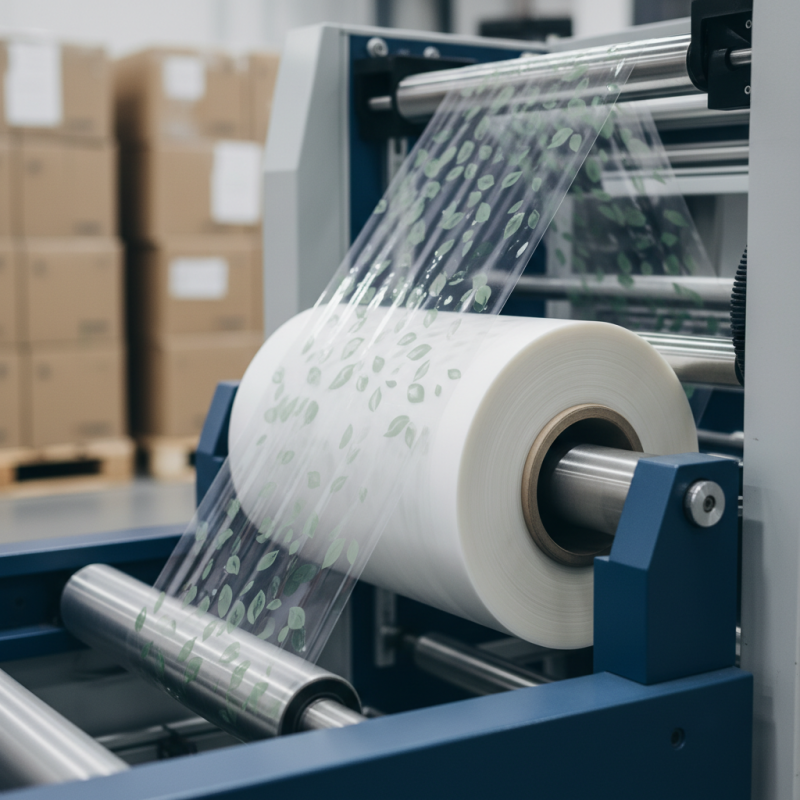
The Definition and Purpose of Rolling Packaging Film
Rolling packaging film plays a crucial role in modern businesses. It is a versatile material used in various industries, from food to electronics. This film provides essential protection for products during shipping and storage. It acts as a barrier against moisture, dust, and other contaminants. The durability of rolling packaging film often ensures items remain safe from damage.
One of the primary purposes of this film is to extend product shelf life. In the food industry, for instance, this can mean the difference between freshness and spoilage. Yet, businesses must reflect on their choices. Not all films are created equal. Some may not biodegrade or recycle easily, contributing to waste. This raises ethical concerns in today's environmentally conscious market.
Another aspect worth considering is the cost. Rolling packaging film can be an investment, especially for small businesses. However, it is important to weigh the benefits against expenses. Choosing the right type involves understanding specific needs. For some, it may be trial and error. As businesses evolve, they need to adapt their packaging strategies continuously.
Key Benefits of Rolling Packaging Film for Businesses
Rolling packaging film plays a crucial role in modern businesses. Its benefits go beyond mere functionality. According to recent industry reports, over 30% of packaged goods are now utilizing films for their versatility. This shift emphasizes efficiency in packaging, reducing material waste while enhancing protection. These films adapt to various products, ensuring safe transit and storage.
Additionally, sustainability is a key factor. Businesses are increasingly seeking eco-friendly options. A report by the Flexible Packaging Association noted that flexible packaging reduces carbon emissions by up to 60%. This is significant given the growing consumer demand for green practices. However, some companies struggle to find the right balance between durability and environmental impact.
The cost-effectiveness of rolling packaging film cannot be overlooked. It allows for lower shipping costs and minimizes inventory space. Yet, businesses must reflect on their packaging strategies. With the rise of e-commerce, packaging needs are constantly evolving. Companies that fail to innovate and adapt may find themselves falling behind. Balancing cost, sustainability, and effectiveness is a challenge that requires ongoing effort.
Applications of Rolling Packaging Film Across Industries
Rolling packaging film plays a crucial role in various industries today. It is used to wrap, protect, and preserve products. From food to electronics, this film ensures items remain safe during transport and storage. The flexibility of rolling packaging film allows it to adapt to different shapes and sizes, making it indispensable for modern businesses.
Food packaging is one of the most prominent applications. It helps maintain freshness and extends shelf life. However, improper sealing can lead to spoilage. Businesses must ensure that the rolling film used is compatible with the product. A film that is too thick or thin may not provide adequate protection. Consider the environmental impact as well. Opt for materials that are recyclable or biodegradable whenever possible.
In the electronics sector, rolling packaging film shields delicate components from dust and moisture. Still, challenges exist in maintaining static-free conditions. Companies should regularly review their packaging methods. Small details can make a substantial difference in product safety.
Tip: Always conduct tests with different types of rolling films. This can help identify which film best suits your specific needs. Understanding your product requirements can save costs and improve quality.
Environmental Considerations in Rolling Packaging Film Usage
Rolling packaging film has become vital for many modern businesses. However, its environmental impact raises important questions. This material is often made from plastics, which can take hundreds of years to decompose. Lightweight and flexible, it’s convenient, but can we ignore its ecological footprint?
Waste management is another concern. Many packaging films end up in landfills or oceans. Once there, they can harm wildlife and disrupt ecosystems. Businesses must rethink their packaging choices. Are there biodegradable alternatives? Transitioning to sustainable options isn’t just ethical; it can also attract eco-conscious customers.
Moreover, the production process of rolling packaging film itself consumes significant resources. Energy, water, and raw materials are all required. It’s a cycle that affects our planet. Companies may need to invest in greener technologies or rethink their supply chains. This evolution is necessary for a sustainable future, even though it may pose challenges now.
Environmental Impact of Rolling Packaging Film Usage
Future Trends and Innovations in Rolling Packaging Film Technology
Rolling packaging film has become crucial for modern businesses in various sectors. Its versatility allows for the secure packaging of diverse products. Innovations in material science are leading to stronger and more sustainable options. Businesses are now more interested in biodegradable films. This shift reflects a commitment to environmental responsibility.
The future of rolling packaging film technology is intriguing. Smart packaging solutions are beginning to emerge. These films can monitor freshness and quality, enhancing the consumer experience. Companies are exploring how to integrate NFC technology within packaging. This trend promises seamless information transfer. However, challenges remain in terms of costs and scalability for larger manufacturers.
As the industry evolves, the focus on customization grows. Tailoring packaging to specific product needs can enhance brand identity. Yet, some businesses struggle to balance customization with production efficiency. Finding that sweet spot requires ongoing experimentation. There is a need to reflect on what works best and adjust accordingly. This dynamic landscape presents opportunities and hurdles for proactive companies willing to adapt.
Why is Rolling Packaging Film Essential for Modern Businesses? - Future Trends and Innovations in Rolling Packaging Film Technology
| Dimension | Description | Current Trend | Future Innovation |
| Material Types | Biodegradable, Stretch, Shrink films | Shift towards sustainable materials | Advanced bio-based polymers |
| Technology | Printing and lamination advancements | Digital printing technology | Smart packaging solutions |
| Market Demand | Growing e-commerce sector | Increased demand for efficient packaging | Integration of AI in logistics |
| Regulatory Trends | Packaging waste regulations | Stricter recycling guidelines | Enhanced compliance tracking tools |
| Consumer Preferences | Desire for eco-friendly options | Increase in 'green' packaging | Customized sustainable certifications |
 Innotex Group