How to Conduct Effective Book Printing Inspection?
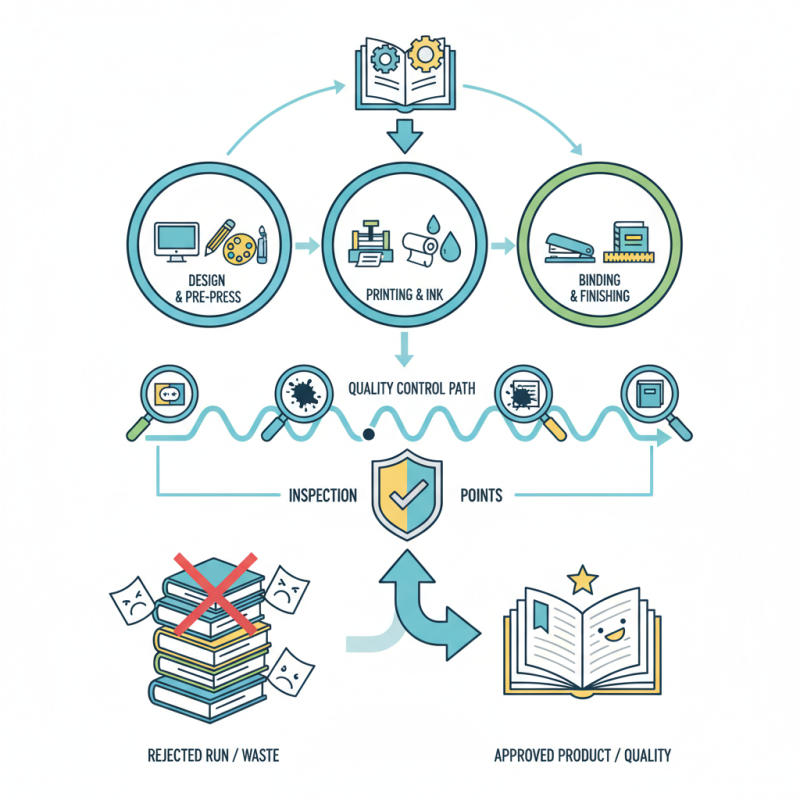
Conducting an effective Book Printing Inspection is crucial for ensuring quality. Printing a book is a complex process. It involves several stages, from design to final print. Each stage has its own set of challenges and potential errors.
Book Printing Inspection helps identify these issues early on. For instance, color misalignment or poor binding can ruin a print run. Inspecting samples throughout the production process can save time and resources. However, many overlook the importance of thorough checks. Some printing companies focus too much on deadlines, leading to rushed inspections.
A detailed inspection process examines paper quality, ink consistency, and trim sizes. Engaging with the inspection can reveal areas of improvement. Perhaps an over-reliance on machinery neglects human oversight. Implementing regular checks may feel cumbersome, yet it ensures that the final product meets expectations. In the realm of book printing, every detail matters.
Understanding the Importance of Book Printing Inspection
Book printing inspection is crucial in ensuring the final product meets quality standards. A flawed book can tarnish a publisher’s reputation. Inspecting books helps identify issues such as color inconsistencies, misalignment, and damaged pages. Overlooking these details can lead to costly reprints and dissatisfied customers.
During the inspection process, it is essential to pay attention to the print quality. Look for blemishes or smudges that detract from the overall appearance. Also, check the binding. Loose pages can result in an unsatisfactory user experience. Even small flaws can spark frustration among readers, leading to negative reviews.
While conducting inspections, it's easy to overlook minor details. Fatigue or distraction can make it hard to spot flaws. Regular breaks can enhance focus and improve accuracy. Reflecting on the inspection process helps in identifying common mistakes. This ongoing assessment can foster better practices in future print runs.
Book Printing Inspection Metrics
The chart above illustrates the key metrics evaluated during the book printing inspection process. Each axis represents different aspects of the final product, ensuring quality and adherence to standards.
Identifying Key Inspection Phases in Book Printing
In book printing, the inspection process is crucial. The first phase involves pre-press checks. This includes verifying proofs and layouts. Accuracy here can save significant costs later. According to industry data, 25% of printing errors occur at this stage. Many overlook fine details like color representation. Small inaccuracies can lead to large-scale reprints.
The second phase focuses on in-press inspections. Regular checks during printing help identify any shifts in color or alignment. Studies show that 30% of issues arise during this phase. Inspectors should monitor ink consistency and paper quality. A slight deviation may seem minor but can affect the overall product. The human eye can easily miss inconsistencies, leading to regret after production.
Post-production inspections are the final phase. This includes binding and trimming checks. Misalignments in cuts can spoil aesthetics. A report highlighted that 20% of finished books fail quality checks at this stage. Even minor defects can impact reader experience. Inspectors must scrutinize every detail, as poor quality reflects the brand’s image. Perfection is the goal, but continuous improvement is essential.
Tools and Equipment Needed for Effective Inspection
When it comes to book printing inspection, the right tools and equipment are crucial. A well-equipped inspection process can help identify errors early. Common tools in this field include colorimeters and spectrophotometers. These devices measure color accuracy against pre-defined standards. According to a report by the Printing Industries of America, 75% of print quality issues stem from color discrepancies.
Another essential item is a magnifying glass. It can help spot issues like misalignment or ink smudges. A light table is also beneficial for checking paper transparency and thickness. This can prevent unwanted ghosting effects in prints. A survey revealed that 40% of print failures are directly linked to paper quality.
Effective inspection requires attention to detail. Having the right equipment streamlines the process, but even then, human oversight is necessary. Mistakes can still occur, especially in busy environments. Regular training sessions can help inspectors sharpen their skills. Reflecting on past errors enhances the overall inspection accuracy. Each failure offers lessons that improve future print runs.
Common Printing Defects and How to Spot Them
When inspecting book printing, recognizing common defects is vital. According to industry reports, up to 12% of printed materials may have significant flaws. These issues can range from color mismatches to poor alignment. Identifying these problems early can save time and costs.
Color variation is a widespread issue. A survey found that 30% of printers report inconsistent color prints. This stems from various factors, such as improper calibration or ink discrepancies. Inspectors should use color swatches for comparison. It is essential to have the right lighting to catch these deviations.
Another significant defect is misalignment. Studies indicate that about 18% of books experience this issue. Misaligned text or images can affect readability. Using alignment tools during the inspection can help spot these errors. Even minor shifts can lead to major setbacks, affecting customer satisfaction. Regular training for inspectors can reduce these common pitfalls in book printing.
Best Practices for Documenting and Reporting Inspection Results
In book printing, effective inspection is critical. Documentation and reporting are key components of this process. Accurate record-keeping helps identify flaws early. A study by the Print Quality Control Association reveals that 25% of defects go unnoticed during initial inspections. When issues arise, detailed reports assist in communicating problems to the production team.
Using standardized templates can streamline documentation. Simple checklists can help identify common printing defects. For example, the visual inspection of color consistency, binding quality, and paper alignment is vital. A 2022 survey found that 15% of printers use no standardized system. This leads to inconsistencies in reporting. Feedback loops are essential for improving the inspection process.
Many professionals overlook the importance of timely feedback. Delays can mean costly reprints and unhappy clients. Establishing clear channels for reporting can mitigate these risks. Frequent training sessions can help staff recognize and report issues effectively. According to industry data, direct communication improves defect resolution by 30%.
 Innotex Group