Top Custom Food Packaging Solutions for Global Buyers?
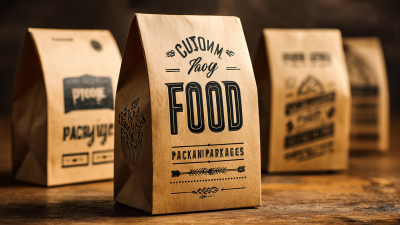
In the dynamic realm of food distribution, custom food packaging emerges as a vital aspect of brand visibility and consumer safety. According to David Marshall, a renowned expert in packaging design, "The right packaging can transform the perception of your product." Custom Food Packaging not only enhances product appeal but also protects food integrity during transit.
Global buyers are increasingly seeking bespoke solutions that align with their brand identities and sustainability goals. Custom food packaging serves this need effectively. It allows businesses to differentiate their products on crowded shelves. However, the challenge lies in balancing aesthetics with functionality. Many brands struggle to find eco-friendly materials that also meet their branding requirements.
Moreover, it’s essential to evaluate what works best for your specific market. While custom designs can be captivating, not all options are financially viable. Brands must reflect on their packaging choices and their long-term impacts. Ultimately, investing in quality custom food packaging is not just a choice; it's a commitment to excellence and consumer satisfaction.
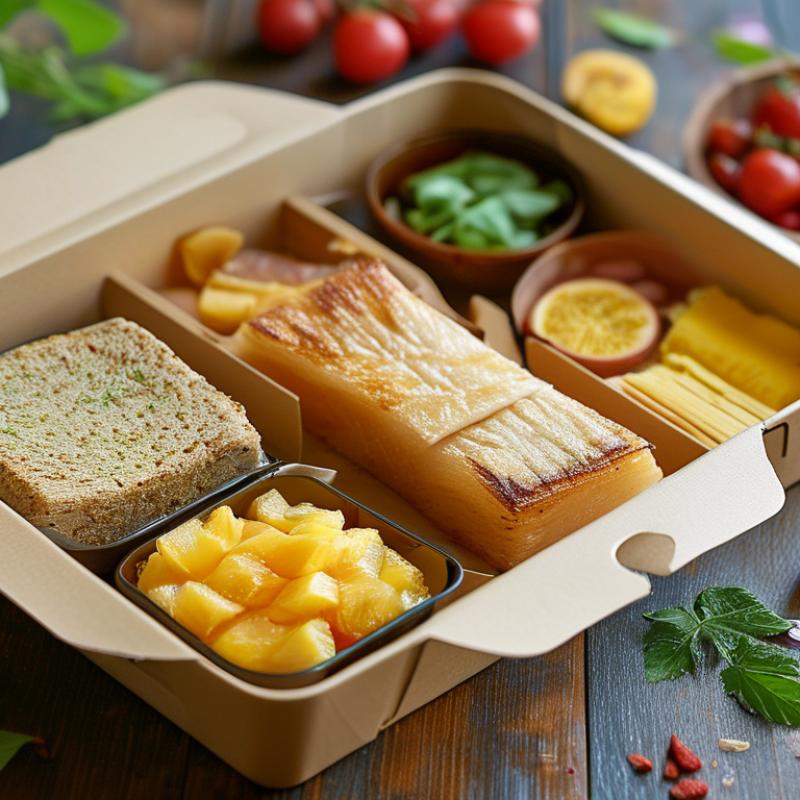
Top Trends in Custom Food Packaging for Global Buyers in 2023
The custom food packaging industry is evolving rapidly in 2023. Key trends show an increasing focus on sustainability and innovative materials. According to a recent report by Grand View Research, the global sustainable food packaging market is expected to reach $500 billion by 2026. This growth reflects the rising consumer demand for eco-friendly options.
Biodegradable materials are gaining traction. These solutions offer an alternative to traditional plastics and align with consumer values. For instance, studies indicate that 72% of consumers prefer brands that use sustainable packaging. As companies pivot towards these materials, they must consider the balance between cost and environmental impact. It raises questions about the scalability of these solutions in global markets.
Another trend is personalized packaging. Data from a recent survey revealed that 65% of consumers are attracted to unique packaging designs. Customization offers a way to stand out. However, implementing tailored solutions can be costly and complex. Brands need to reflect on the trade-offs in investing in unique designs versus standard options that might reach a broader audience.
Top Custom Food Packaging Solutions for Global Buyers in 2023
| Packaging Type |
Material |
Sustainability Rating |
Market Demand (%) |
Key Features |
| Flexible Pouches |
Plastic/Aluminum |
High |
25% |
Lightweight, resealable |
| Glass Containers |
Glass |
Very High |
15% |
Reusable, recyclable |
| Cardboard Boxes |
Paperboard |
Medium |
30% |
Customizable, recyclable |
| Biodegradable Films |
Plant-based Plastics |
High |
10% |
Eco-friendly, compostable |
| Metal Cans |
Aluminum/Tin |
Medium |
20% |
Durable, airtight |
Key Materials Used in Custom Food Packaging: Sustainability and Functionality
When it comes to custom food packaging, the choice of materials plays a crucial role. Sustainable options are gaining popularity. Biodegradable materials, for instance, enhance eco-friendliness. These materials break down naturally and reduce waste. However, they may not always offer the best barrier protection.
Functional packaging is just as important. Materials like recyclable plastics and glass provide durability. They also ensure the safety of food products. Still, the environmental impact of these materials needs careful consideration. Some recyclable options may not be accepted in all areas.
Finding the perfect balance between sustainability and functionality is not easy. Companies face challenges in sourcing the right materials. Environmental claims can sometimes be misleading. Consumers are increasingly looking for transparency. They want to know what’s really in their packaging. This challenge calls for ongoing innovation and responsible practices in the food industry.
Market Analysis: The Growth of the Global Custom Food Packaging Industry
The global custom food packaging industry has experienced significant growth in recent years. Increased demand for sustainable packaging solutions drives this transformation. As consumers become more eco-conscious, they prefer packaging that minimizes environmental impact. This shift is not just a trend; it's reshaping the entire market landscape.
Innovation plays a crucial role in this evolving sector. Brands are investing in cutting-edge materials that enhance freshness and extend shelf life. Smart packaging technologies are gaining traction, enabling better food safety and consumer engagement. However, navigating the technical aspects of custom packaging can be challenging for many companies.
There's also the issue of scalability. Not every solution fits all sizes of operations. Small businesses often struggle with costs and finding reliable partners. This imbalance raises questions about accessibility in the market. More support and resources are needed to help smaller players innovate and thrive. Balancing creativity and practicality is no small feat, and ongoing refinement is essential for success in this competitive industry.
Regulatory Standards Impacting Custom Food Packaging Solutions Worldwide
Regulatory standards play a critical role in shaping custom food packaging solutions globally. Countries enforce various regulations to ensure food safety and consumer protection. For instance, the U.S. Food and Drug Administration (FDA) mandates rigorous testing of materials that come into contact with food. This regulation impacts packaging design and materials significantly.
In Europe, the European Food Safety Authority (EFSA) evaluates packaging safety through extensive scientific assessments. Reports indicate that non-compliance can lead to severe penalties. According to recent studies, over 40% of food packaging professionals express uncertainty regarding compliance with emerging regulations. This highlights the need for manufacturers to stay informed and adaptable.
Recent data shows that sustainable packaging is gaining traction, driven by regulatory pressures and consumer demand. Approximately 55% of global buyers prefer eco-friendly options. This shift challenges packaging suppliers to innovate. They must balance sustainability with compliance. Many struggle to implement effective solutions within the constraints of existing regulations. These evolving standards require constant evaluation and modification.
Innovations in Custom Food Packaging: Technology Shaping Consumer Experience
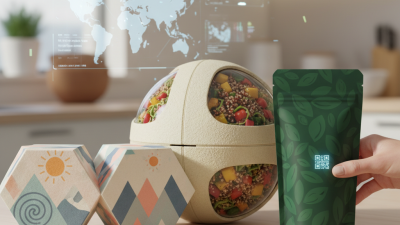
The landscape of custom food packaging is transforming with innovative technologies. New materials, such as biodegradable plastics, are emerging. They offer sustainable options for environmentally conscious consumers. These advancements not only reduce waste but also enhance product freshness. Smart packaging solutions incorporate sensors that monitor temperature and freshness. This ensures that consumers receive high-quality food products.
Another area of innovation is design customization through digital printing. Brands can now create eye-catching designs for small batches, catering to niche markets. Personalized packaging can enhance the emotional connection between consumers and brands. Consumers enjoy unique experiences with limited edition products. This trend reflects a shift towards individuality in food consumption.
Despite these advancements, challenges remain. The cost of new technologies can be prohibitive for smaller businesses. It's crucial for companies to find a balance between innovation and affordability. Consumers are also growing aware of misleading packaging claims. Transparency in packaging is becoming a demand. Companies must continuously adapt to shifting consumer expectations in the evolving market.
 Innotex Group