10 Cookie Packaging Tips for Global Buyers?
Global cookie trade is growing more complex, while packaging expectations are becoming stricter. Buyers now evaluate protection, shelf life, recyclability, printing quality, and shipping efficiency together. A carton that looks attractive in a showroom may collapse after three humid weeks at sea.
Smithers’ report, The Future of Sustainable Packaging to 2028, identifies material reduction, recyclable structures, and improved barrier performance as major packaging priorities. Euromonitor International’s Packaged Food 2024 analysis also highlights convenience, premium presentation, and sustainability as important purchase drivers. These findings matter because cookies are fragile, moisture-sensitive, and often shipped across several climate zones.
Cookie Packaging must therefore balance engineering and marketing. It should resist crushing, limit oxygen and moisture exposure, and support accurate product information. It must also fit regional recycling systems and buyer expectations. Those details are easy to overlook.
Marketing scholar Philip Kotler’s often-cited statement, “Packaging is the fifth P of marketing,” remains highly relevant. The package sells before the first bite. It also protects the brand when logistics become unpredictable.
This guide presents ten practical tips for global buyers. The recommendations cover material selection, barrier films, structural testing, artwork adaptation, pallet efficiency, and supplier verification. They are designed for factories, importers, retailers, and private-label teams.
No package is perfect. A lightweight pouch may reduce material use but offer weaker shelf presentation. A rigid box may feel premium but increase freight volume. Buyers must question every compromise, test samples in realistic conditions, and review supplier evidence carefully. That reflective step is often missing. It should not be.
Understanding Global Cookie Packaging Requirements
Global cookie packaging begins with the destination market, not the artwork. Each country may require specific food-contact materials, allergen statements, nutrition panels, and language rules. Confirm these details with current local authorities before production. A package should also show net weight, ingredient order, date marking, storage conditions, and a traceable lot code. Small details matter.
Material choice must match the cookie and the journey. A crisp butter cookie needs strong moisture protection, while a filled cookie may require better oxygen control. Test the seal after heat, humidity, vibration, and long storage. Do not guess. A package that looks perfect in a factory can soften during a humid sea shipment. Include tamper evidence where the market expects it, and check whether recycling claims are accepted locally.
Global buyers should request technical documents, migration test results, packaging specifications, and print proofs before approving an order. Translations deserve equal attention; one missing allergen term can create serious risk. Symbols should remain readable after handling, not only on a clean sample. Recyclability is also more complicated than using a green-looking design. Local collection systems may not accept the same material. Keep evidence ready. Even experienced teams miss small differences between countries, so a final market-by-market review is worth the extra time.
Designing Packaging for International Shipping and Storage
10 Cookie Packaging Tips for Global Buyers
Designing Packaging for International Shipping and Storage
International cookie shipments face heat, humidity, vibration, and long storage periods. Packaging should protect texture, flavor, and appearance from factory to warehouse. Start with a high-barrier inner pouch that limits moisture and oxygen. A strong seal matters more than attractive graphics. Test the seal after filling, not only before production.
Tip 1
Match the package to the climate. Dry regions may create brittle cookies, while humid ports can soften them quickly. Use food-safe moisture control when suitable, and leave enough headspace to prevent crushing. Cookies need room.
Tip 2
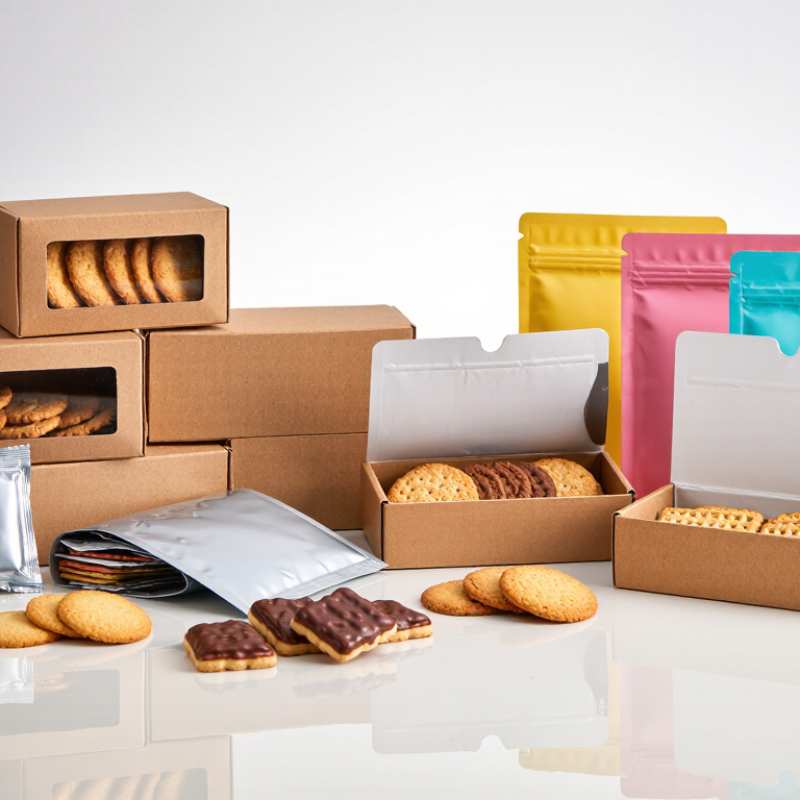
Build protection in layers. Use a firm tray, a sealed pouch, and a fitted carton. The outer box should resist stacking pressure without wasting space. During trial shipments, check broken corners, loose seals, and crushed biscuits after several weeks. One test is rarely enough. We sometimes focus too much on appearance and overlook warehouse handling.
Temperature changes also deserve attention. Condensation may form when cold cargo enters a warm facility, especially around metal containers. Choose carton materials that tolerate moderate humidity, and keep cartons raised from concrete floors. Add clear batch, storage, and handling information for warehouse teams. Pallet patterns should support airflow and prevent leaning. Before approving a design, conduct vibration, compression, and accelerated shelf-life tests. Real routes can still surprise you.
Adapting Labels and Artwork to Different Markets
Tip: Treat every market as a separate communication project. A cookie label should feel native, not merely translated. Check ingredient names, allergen statements, nutrition panels, date formats, and measurement units with qualified local reviewers. A technically correct translation can still sound unnatural. Keep that risk visible.
Artwork also needs cultural and practical adjustment. A pale yellow background may look elegant on screen but disappear under warehouse lighting. Test contrast on the actual pouch, carton, and shipping label. Leave space for importer details, recycling symbols, batch codes, and market-specific stickers. Confirm whether text direction, decimal marks, or required warning layouts differ.
Tip: Build one master file, then create controlled local versions. Lock product facts, ingredient percentages, and approved claims before editing design elements. Use editable text layers, clear version names, and a change log. This reduces accidental omissions during updates. It is less glamorous, but it works.
Before printing, review a physical proof at full size. Check small type near folds and seals. Ask local distributors to read the label aloud. Their comments may reveal confusing wording or unfamiliar serving instructions. I have found that teams often over-trust translated copy and under-test real handling conditions. A final compliance review should involve packaging specialists and market-specific advisers.
Evaluating Sustainability, Costs, and Packaging Suppliers
10 Cookie Packaging Tips for Global Buyers
Sustainable packaging starts with the product’s real journey, not a supplier’s brochure. In supplier reviews, I check paper weight, recycled content, coating type, and disposal conditions. Choose the lightest structure that protects cookies from crushing and moisture. Small details matter. A thin inner barrier can prevent grease stains without adding excessive material. Ask for food-contact documentation and current test reports. Confirm that inks, adhesives, and coatings suit the destination market.
Costs can hide. Request a landed-cost sheet covering tooling, samples, minimum order quantities, freight, duties, storage, and waste. Compare suppliers using the same specifications. A cheaper carton may require stronger shipping cases or create higher damage rates. Test filled packages through stacking, vibration, and humidity exposure. One failed shipment can erase a small unit-price saving. Request production samples before approving a large order.
Supplier reliability needs evidence. Review factory capacity, quality procedures, lead times, and corrective-action records. Ask whether the supplier can source consistent paper grades across seasons. Check how they handle rejected materials and production waste. Certifications may help, but verify their scope and expiry dates. I have seen attractive sustainability claims unsupported by traceable records. That remains a warning. Also examine communication speed, sample accuracy, and packaging expertise for export shipments. A supplier that cannot explain barrier performance clearly may not protect your cookies consistently.
10 Cookie Packaging Tips for Global Buyers: Evaluating Sustainability, Costs, and Packaging Suppliers
How to read the chart: Recycling rates vary significantly by packaging material. Paper and cardboard, glass, and metal achieved higher packaging recycling rates in the European Union than plastic and wood in 2022. These figures can help buyers compare sustainability options, but local collection systems, food-contact requirements, barrier performance, transport efficiency, and total cost should also be evaluated.
- Define the required shelf life, moisture barrier, oxygen barrier, and product-protection level.
- Compare recyclable paperboard, flexible plastic, metalized films, and rigid formats according to the destination market.
- Check whether the complete package, including inks, coatings, adhesives, windows, and closures, is accepted by local recycling systems.
- Request packaging prices using the same specifications, order quantity, delivery terms, and currency.
- Calculate total landed cost, including tooling, sampling, freight, import duties, storage, and waste.
- Ask suppliers for food-contact declarations, migration test reports, and relevant quality certifications.
- Evaluate minimum order quantities, lead times, production capacity, and backup-production arrangements.
- Request documented sustainability information instead of relying only on environmental marketing claims.
- Test packaging strength, sealing performance, print quality, and performance during shipping before approval.
- Confirm compliance with the packaging, labeling, recycling, and extended-producer-responsibility rules of each target market.
Source: Eurostat, “Packaging waste by waste management operations,” EU packaging recycling rates for 2022. Rates are presented by material and do not represent any specific company or brand.
 Innotex Group