How to Choose the Best Wrapping Paper for Your Needs?
Wrapping Paper is more than just decorative paper. It plays a vital role in gifting. Studies show that around 70% of consumers consider the wrapping as part of the gift's value. This data highlights the importance of choosing the right wrapping paper.
The market for wrapping paper is expansive, valued at over $3 billion in recent years. This figure reflects growing trends in sustainability. With eco-friendly options on the rise, many consumers seek biodegradable or recyclable materials. Yet, not all products are created equal. Some may promise sustainability but fall short in durability.
Selecting the best wrapping paper requires careful consideration. Factors like thickness, print quality, and material impact the final look. Gifting is personal, and the right wrapping paper can enhance the experience, showcasing thoughtfulness and creativity. Mismatched colors or flimsy materials can detract from the gift itself, leading to a less memorable presentation.
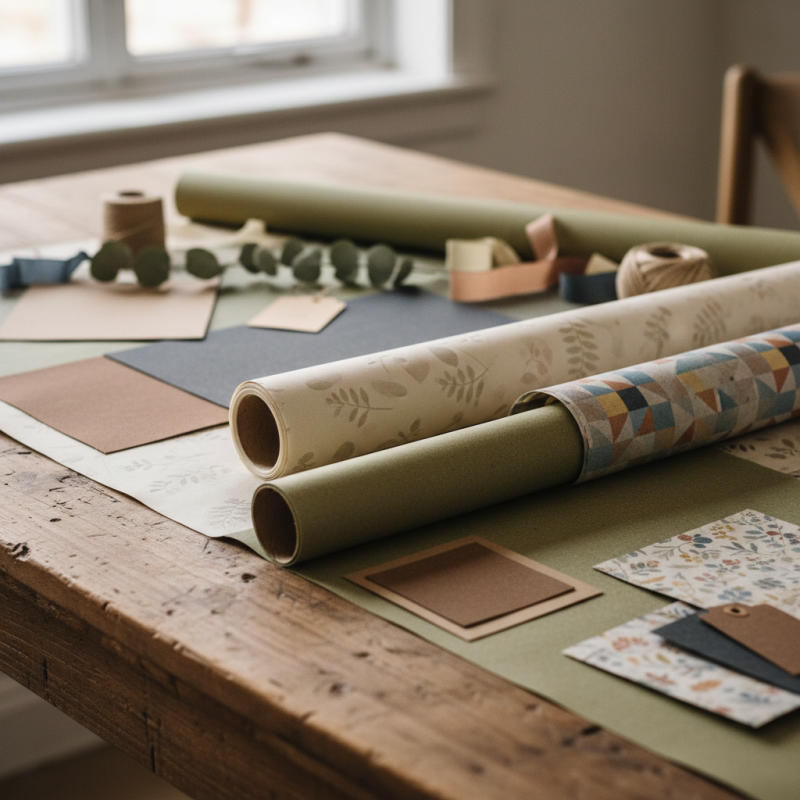
Understanding Different Types of Wrapping Paper Materials
When selecting wrapping paper, it’s crucial to understand the various materials available. Each type has unique qualities that suit different occasions and preferences. For instance, kraft paper is a sturdy option, perfect for rustic gifts. It is also recyclable, appealing to eco-conscious buyers. This paper often features a simple, natural look, making it versatile.
Another popular choice is glossy paper, which adds a vibrant, shiny finish. It works well for festive occasions, like birthdays and holidays. The colors pop, and the glossy texture catches the eye. However, it can be slippery, making it tricky to wrap.
Also, consider tissue paper. Although thinner, it is ideal for cushioning delicate items inside boxes. This lightweight material can be layered for added effect.
Finally, fabric wraps, like furoshiki, offer a unique twist to gift-giving. They are reusable and can reflect personal style. However, this method might take more time and effort to master. Assess your needs and occasions carefully to choose the best wrapping paper. It's okay to try different options and see what works best for you. Each type has its pros and cons, inviting reflection on personal gifting choices.
Considering the Occasion: Choosing Appropriate Wrapping Paper
Choosing the right wrapping paper involves more than just aesthetics. It’s crucial to consider the occasion. For birthdays, vibrant colors and fun designs often work best. Think about patterns that reflect the recipient’s interests. Personalized touches, like hand-drawn elements, can add a special flair.
For holidays, select wrapping paper that represents the spirit of the season. Classic red and green for Christmas or pastel patterns for Easter can evoke the right feelings. However, be mindful of overused designs. They may feel generic and lack originality. Using eco-friendly materials can also show your commitment to sustainability.
Weddings call for elegance. Soft hues, lace details, or metallic finishes often suit this setting. Remember, less can be more. A simple bow might convey more grace than excessive embellishments. Reflecting the couple’s style in your choice will enhance the gift's presentation, making it even more memorable.
How to Choose the Best Wrapping Paper for Your Needs? - Considering the Occasion: Choosing Appropriate Wrapping Paper
| Occasion | Wrapping Paper Type | Design Style | Material | Recommended Use |
| Birthday | Glossy Paper | Bright Patterns | Paper | Gifts for All Ages |
| Christmas | Matte Paper | Festive Colors | Recycled Paper | Holiday Gifts |
| Wedding | Textured Paper | Elegant Designs | Luxury Paper | Gifts for Couples |
| Baby Shower | Patterned Paper | Cute Illustrations | Eco-friendly Paper | Gifts for Babies |
| Graduation | Specialty Paper | Classic Designs | Durable Paper | Gifts for Graduates |
Evaluating Designs and Patterns for Personal Preferences
Choosing the right wrapping paper can be a reflection of personal style and occasion. Designs and patterns play a significant role in this choice. For instance, a survey by the Paper and Packaging Board found that 78% of consumers prefer colorful and unique patterns. This indicates the importance of aesthetics in gift presentation. Consider the recipient's taste. A whimsical pattern may delight a child, while refined designs might appeal to adults.
When selecting wrapping paper, think beyond the visuals. The texture, thickness, and even scent can influence your choice. Rough, textured paper offers a rustic charm, while smooth, glossy finishes convey elegance. The bulk of the industry shows that consumers often gravitate toward sustainable options, with 62% expressing a preference for eco-friendly materials. Reflecting on this trend, one might wonder if they are actively contributing to this shift.
Patterns can also evoke emotions. Stripes or polka dots might bring back childhood memories, while floral prints can signal warmth and affection. It's essential to align your choice with the message you want to convey. Not every design may resonate as intended. Some may misinterpret bold graphics. Balancing personal preferences with thoughtful consideration of the recipient's feelings can be challenging.
Assessing Eco-Friendly Wrapping Paper Options
When choosing eco-friendly wrapping paper, consider its materials. Many options use recycled paper, which reduces waste and preserves resources. According to a 2021 study by the Environmental Protection Agency, recycling paper conserves 24% of the energy needed to produce new paper. Opting for kraft paper or papers sourced from sustainable forests can further minimize environmental impact.
Another aspect to evaluate is biodegradable options. Some wrapping papers can decompose naturally in landfills. A 2022 report from the Sustainable Packaging Coalition emphasized that biodegradable materials degrade much faster than traditional plastics. This choice not only reduces landfill waste but also supports a healthier ecosystem.
However, not all eco-friendly papers perform equally. Some may lack the vibrant colors or finishes found in conventional options. It’s important to find a balance between aesthetics and sustainability. Assessing the coatings used on papers is crucial, as certain inks and finishes may hinder recyclability. The right choice depends not only on your values but also on the recipient's tastes and the occasion.
Selecting the Right Size and Thickness for Your Gifts
Choosing the right size and thickness of wrapping paper can make a huge difference in your gift presentation. Start by measuring your gift dimensions. Knowing the height, width, and depth helps ensure you select a paper that covers your gift adequately. An oversized or undersized paper may create awkward folds. A well-fitted wrap enhances the overall appearance of your gift.
Thickness plays a critical role too. Thicker paper is more durable and less prone to tearing. It adds a touch of elegance, making it suitable for special occasions. However, thin paper can be easier to manipulate, especially for intricate shapes. It’s essential to consider the type of gift you are wrapping. Fragile items need extra protection, while sturdier gifts can handle lighter paper.
Don’t rush this process. Sometimes, we underestimate how much effort is needed. Take your time to experiment with various sizes and thicknesses. Reflection on previous experiences can guide you. Think back to times when the wrap ripped or was too bulky to manage. Learning from these instances will help you make better choices in future gift wrapping.
How to Choose the Best Wrapping Paper for Your Needs?
This chart illustrates the preferences for different sizes and thicknesses of wrapping paper based on recent consumer trends. It helps to understand which characteristics are most sought after when selecting wrapping paper for gifts.
 Innotex Group