Why is My Cal Hypo Causing Cloudy Water in Swimming Pools?
Cloudy water in swimming pools is a common issue faced by many pool owners. One significant contributor to this problem is calcium hypochlorite, known as Cal Hypo. According to a report by the National Swimming Pool Foundation, more than 75% of pool professionals have encountered Cal Hypo related water clarity issues. As industry expert Dr. Emily Rowe states, “Understanding the effects of Cal Hypo is essential for maintaining clear and safe swimming conditions.”
Cal Hypo Cloudy Water can stem from various factors, including improper dosage and fluctuations in pH levels. When too much Cal Hypo is added, it doesn't dissolve completely, leading to cloudy conditions. Inadequate filtration can further exacerbate the situation, trapping particles that contribute to the haze. Pool owners often find themselves reflecting on how small adjustments could improve their pool's clarity.
Many still grapple with the complexities of maintaining balanced water chemistry. It is not just about chlorine levels; understanding calcium hardness and stabilizer ratios is equally crucial. Experts suggest regular testing and adjustments to keep your pool crystal clear. This proactive approach can prevent the cloudiness that frustrates many, enabling a better swimming experience.
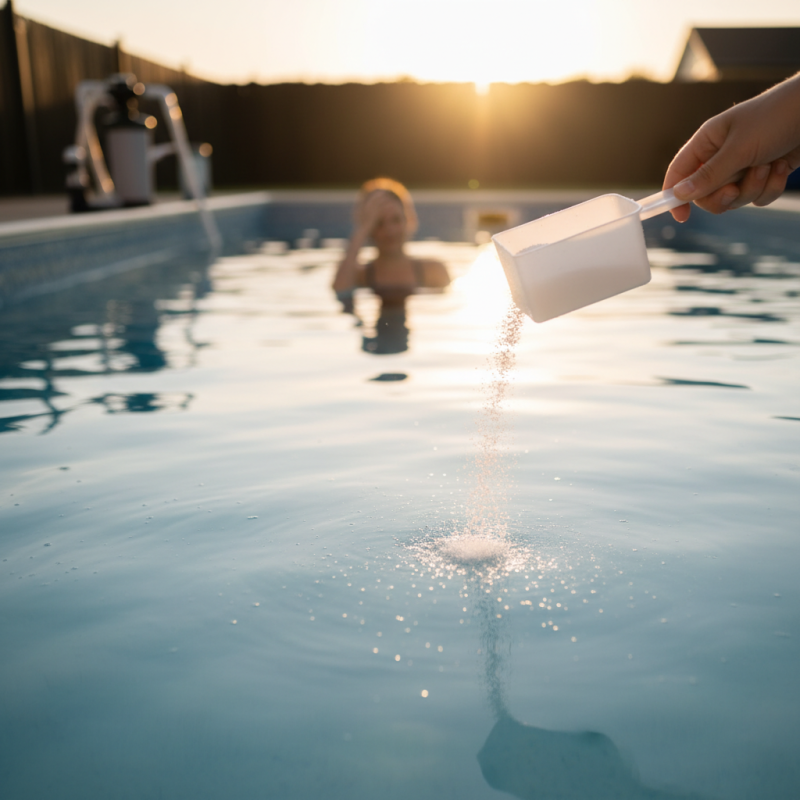
Understanding Cal Hypo and Its Role in Swimming Pool Maintenance
Calcium hypochlorite, or cal hypo, is a popular chlorine compound used for pool sanitation. It effectively kills bacteria and maintains clear water. However, it can sometimes cause cloudy water, which is frustrating for pool owners. Understanding its role is crucial in ongoing pool maintenance.
Cal hypo adds calcium to water. An excess of calcium can lead to cloudy appearances. According to the Pool and Spa Association, the ideal calcium hardness level is between 200-400 ppm. Any significant deviation can cause scaling or haziness. Proper water balancing is essential. Frequent testing can help identify if calcium levels are too high. Using a water clarifier can also help restore clarity.
Furthermore, not all cal hypo products are created equal. Some may contain impurities that contribute to cloudiness. The National Swimming Pool Foundation emphasizes the importance of selecting high-quality products. Working closely with pool professionals can prevent common mistakes. Regular maintenance and monitoring of chemical levels ensure that pool water remains inviting and clear. Cloudy water can be a sign of underlying issues needing attention.
Common Causes of Cloudy Water in Swimming Pools
Cloudy water in swimming pools can be frustrating. Cal Hypo, or calcium hypochlorite, is a common sanitizer used in pools. However, it can contribute to cloudy water under certain conditions. One significant cause is improper dosage. If too much Cal Hypo is added, it can lead to an imbalance that clouds the water.
Another factor is poor filtration. If the pool filter isn't functioning properly, it won't remove debris, oils, or contaminants. This can exacerbate clarity issues. Additionally, high levels of calcium hardness may also play a role. When calcium accumulates, it can create a haze, making the water look murky.
Tips: Regularly test pool water to monitor chemical levels. Aim to keep calcium hardness between 200 and 400 ppm. Clean the filter weekly to ensure effective operation. Consider using a pool clarifier to help clear cloudy water.
Particles suspended in the water can also lead to cloudiness. Even small organic load can produce a cloudy effect. It’s essential to maintain good circulation and sanitation. Observing the water regularly can help detect changes early.
Lastly, environmental factors may introduce contaminants. Rain, debris, and even sunscreen can affect water clarity. Being proactive in maintenance can make a significant difference.
The Chemistry Behind Cal Hypo and Water Clarity
Calcium hypochlorite, or cal hypo, is a common pool sanitizer. However, it can lead to cloudy water issues. The main chemical reactions can be complex, but understanding them is key to maintaining pool clarity. When cal hypo is added to water, it dissociates into calcium ions and hypochlorite ions. High levels of calcium can contribute to cloudiness, especially if total dissolved solids (TDS) exceed typical thresholds.
The ideal calcium hardness level for pool water is between 200 and 400 ppm. However, values above this range can boost cloudiness. When TDS is elevated, it can prevent effective filtration, leading to murky water. A 2021 study by the National Swimming Pool Foundation noted that improper balance of pool chemicals led to increased demands on filtration systems. This underscores the importance of regular water testing.
To avoid cloudy water, consider these tips:
- Test water weekly for calcium hardness and TDS.
- Adjust your cal hypo application accordingly.
- Regularly backwash your filter to maintain efficiency.
Maintaining clear water requires diligence. A small mistake in chemical balance can lead to days of hazy water, disrupting swim enjoyment. Start monitoring your pool regularly to catch discrepancies early.
Preventive Measures to Avoid Cloudy Water from Cal Hypo
Calcium hypochlorite, commonly known as cal hypo, is a popular choice for disinfecting swimming pools. However, it can sometimes lead to cloudy water. To prevent this unpleasant problem, it is essential to follow specific measures and best practices.
Maintaining the correct balance of chemicals is critical. Regularly monitor pH levels, which should stay between 7.2 and 7.8. A pH outside this range can cause calcium build-up and cloudiness. The National Sanitation Foundation recommends checking water chemistry at least twice a week, especially during peak swimming seasons. This vigilance can prevent cloudiness before it begins.
Using cal hypo requires proper dosing. Adding too much at once can overwhelm the water and create residues that lead to turbidity. It's advisable to dissolve cal hypo in a bucket of water before adding it to the pool, ensuring even distribution. Additionally, running the filter continuously for 24-48 hours after adding cal hypo can help clear up cloudy water. Regular backwashing and maintenance of the filtration system are crucial for optimal water clarity. Remember, addressing a cloudy pool is more effective when preventative measures are in place.
Why is My Cal Hypo Causing Cloudy Water in Swimming Pools? - Preventive Measures to Avoid Cloudy Water from Cal Hypo
| Issue | Possible Cause | Preventive Measure | Recommended Action |
| Cloudy Water | Excessive Calcium Hypochlorite | Proper dosing of Cal Hypo | Test water chemistry regularly |
| Algae Growth | Inadequate Chlorine Levels | Maintain balanced sanitizer levels | Shock treat with an appropriate amount |
| pH Imbalance | High or Low pH Levels | Regular pH testing | Adjust pH with appropriate chemicals |
| Cloudy Water | Organic Debris | Regular pool cleaning | Skim, brush, and vacuum pool weekly |
| Stained Surfaces | High Calcium Levels | Monitor calcium hardness | Dilute with fresh water if too high |
Best Practices for Maintaining Clear Pool Water with Cal Hypo
When using calcium hypochlorite (cal hypo) as a chlorine source for pool disinfection, maintaining clear water is crucial. Cloudy water can often indicate an imbalance of chemicals. According to a report by the National Swimming Pool Foundation, improper dosing can lead to cloudy conditions. The recommended concentration for cal hypo is typically around 3-5 parts per million (ppm). Regular testing of chlorine levels and pH is essential.
Additionally, maintaining a proper pH level between 7.2 and 7.8 helps prevent cloudy water. Low pH can cause cal hypo to react aggressively, leading to precipitation and cloudiness. If the pH is too high, it affects chlorine's effectiveness. Water hardness should also be monitored. A hardness level above 200 mg/L can cause scaling, exacerbating cloudiness. Many pool operators overlook this aspect, leading to ongoing cloud issues.
Regularly cleaning the filter system is another effective way to maintain clarity. Filtering should occur at least 8 hours a day during peak usage. However, even with diligent practices, cloudiness can still arise unexpectedly. It’s vital to analyze water quality frequently. Understanding the intricate balance of pool chemistry can seem daunting. The key is consistency in monitoring and adjusting levels as necessary. Embracing this approach helps transform cloudy water back to its crystal-clear state.
Understanding Calcium Hypochlorite Impact on Pool Clarity
As shown in the chart, the clarity level of pool water decreases significantly after the addition of calcium hypochlorite (Cal Hypo), reaching its lowest point at two weeks. Regular maintenance and chemical balancing are essential for maintaining clear pool water.
 Innotex Group