What Is the Best Paper Bowl Supplier in China?

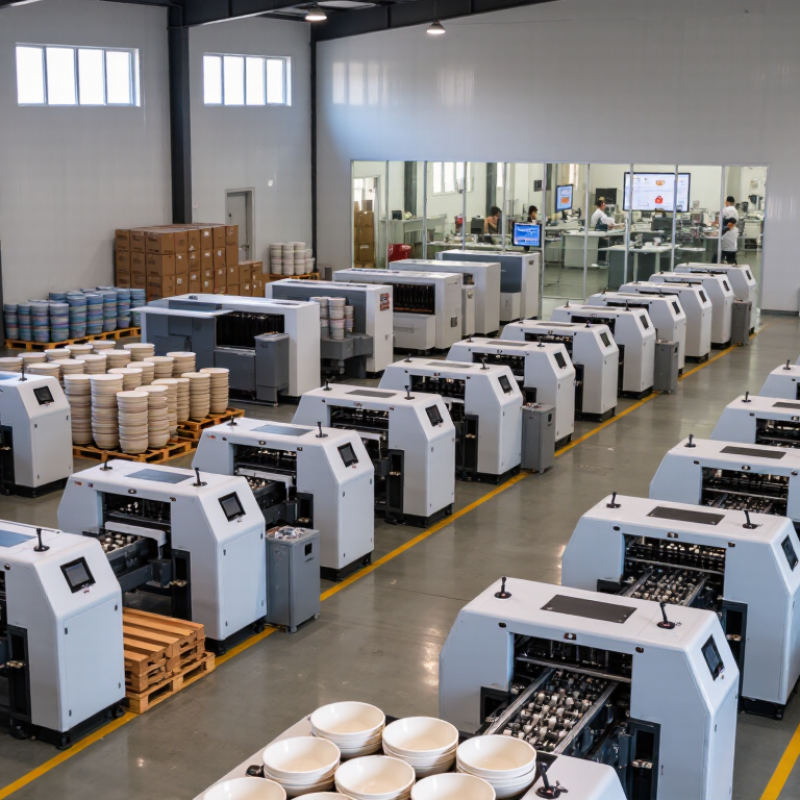
Choosing the best Paper Bowl supplier in China requires more than comparing factory prices. A reliable decision depends on material quality, production control, food-contact documentation, and delivery performance. Buyers should examine the supplier’s actual workshop, not only polished website images. Check forming machines, printing lines, storage areas, and finished cartons. These details reveal operational discipline.

Packaging specialist David Luttenberger has often emphasized a practical principle: “Packaging must perform in the real world, not only in a presentation.” That idea matters when selecting a Paper Bowl manufacturer. A bowl may look smooth but soften under hot soup. Its rim may also deform during transport. A strong supplier tests leakage, compression, heat resistance, and stacking stability. Ask for recent test records. Request production samples from different batches. One perfect sample proves very little.

Experience still needs verification. Some suppliers communicate quickly but cannot maintain consistent coating thickness. Others offer excellent customization but struggle with small orders or changing delivery schedules. I have seen buyers focus too heavily on unit cost. Later, they face unstable printing, damaged cartons, or unexpected replacement expenses. That mistake is easy to repeat.

The best supplier should offer clear specifications, traceable raw materials, responsive technical support, and realistic lead times. Certifications deserve careful review, too. Confirm their issuing bodies, product scope, and validity dates. Do not accept vague claims about compostability or food safety. Those claims need evidence.

A balanced supplier evaluation may include factory capability, sample performance, quality inspection, communication, and total landed cost. No supplier is perfect. The stronger choice is usually the one that admits limitations and improves them consistently.
What Is the Best Paper Bowl Supplier in China?

What Makes a Paper Bowl Supplier in China the Best Choice?

A paper bowl supplier in China becomes the best choice through consistent performance, not attractive quotations alone. In practical sourcing, I examine the bowl’s rim, base, coating, and packing before discussing volume. A reliable sample should hold hot soup without softening quickly. Its rim should stay firm during filling and transport. Small details matter.

Professional suppliers can explain their paper grade, coating type, production capacity, and inspection process clearly. Food-contact documentation should be current and traceable to the actual material used. Factory audits also reveal useful facts, including storage conditions, worker training, and cleanliness around packing areas. A strong supplier keeps batch records and checks weight, dimensions, leakage resistance, and printing quality. This evidence supports dependable purchasing decisions.

Communication is another practical test. Clear replies about minimum order quantities, lead times, carton sizes, and replacement procedures reduce costly surprises. A supplier should report delays early, even when the news is uncomfortable. No factory gets every detail right. A sample may pass leakage testing but show uneven printing after scale-up. That risk deserves discussion. Requesting a pilot order can expose problems before a large shipment. The best choice is a supplier willing to share limitations, improve processes, and provide repeatable quality across different production batches.

Which Quality Standards Should Chinese Paper Bowl Suppliers Meet?

What Is the Best Paper Bowl Supplier in China?

A reliable Chinese paper bowl supplier should meet food-contact, production, and traceability standards. China’s GB 4806.8-2016 covers paper, paperboard, and paper articles for food contact. Suppliers should also follow GB 4806.1-2016 for overall safety. For export orders, buyers may request FDA 21 CFR compliance, EU Regulation 1935/2004, or relevant national rules. The correct standard depends on the destination market.

Quality evidence matters more than a printed certificate. A professional supplier should provide migration-test reports for heavy metals, fluorescent substances, and other restricted chemicals. PFAS testing is also increasingly important for grease-resistant bowls. Ask for reports linked to the exact bowl structure, coating, and production batch. A glossy sample proves very little.

The supplier’s factory should maintain ISO 22000 or a comparable food-safety system. BRCGS Packaging Materials certification can add stronger process control. FSC chain-of-custody documents may verify responsible paper sourcing. FAO’s 2022 forestry report recorded roughly 415 million tonnes of global paper and paperboard production, showing the scale of this supply chain. Yet recycled or “eco” claims can be vague. In a practical audit, I would inspect raw-material storage, sealing temperature records, and random finished bowls. One weakness remains: certificates can expire, while supplier websites rarely show the latest test date.

How to Compare China’s Paper Bowl Suppliers and Product Options?

What Is the Best Paper Bowl Supplier in China?

How to Compare China’s Paper Bowl Suppliers and Product Options?

The best supplier depends on your serving conditions, order size, and quality expectations. A bowl for hot soup needs stronger paperboard than one used for dry snacks. Compare paper weight, rim strength, base stability, and coating type. Common coatings include PE and water-based options. Each affects heat resistance, recyclability, and production cost.

Ask suppliers for samples from regular production, not specially prepared pieces. Fill each bowl with hot liquid, wait twenty minutes, and check for soft spots, leaks, or rim deformation. Measure the bowl’s capacity yourself. Printed samples can look impressive, but poor stacking may damage the surface during shipping. Small details matter.

Supplier reliability also requires practical evidence. Request material specifications, food-contact test reports, batch traceability, and clear production lead times. Check whether the factory can maintain the same size and paper weight across repeated orders. A low minimum order quantity may help testing, but it can increase the unit price. Large quantities may reduce cost, yet storage becomes a concern.

I once focused too heavily on price. That was a mistake. A slightly cheaper bowl may require thicker packaging or create more waste. Compare the full landed cost, including cartons, inspection, transport, and rejected units. Video calls and documents help, but an independent factory inspection offers stronger evidence. No supplier is perfect. The comparison should reveal manageable weaknesses before they reach your customers.

What Is the Best Paper Bowl Supplier in China?

How to compare China’s paper bowl suppliers and product options by matching bowl capacity with your intended food-service application.

Capacity equivalents are based on standard US fluid-ounce conversions: 8 fl oz ≈ 237 ml, 12 fl oz ≈ 355 ml, 16 fl oz ≈ 473 ml, 24 fl oz ≈ 710 ml, and 32 fl oz ≈ 946 ml. When comparing suppliers, also verify paperboard grade, coating type, leak resistance, food-contact compliance, minimum order quantity, sampling process, and lead time.

What Manufacturing and Customization Services Should You Evaluate?

When evaluating a paper bowl supplier in China, inspect more than catalog photos. Ask how pulp is sourced, formed, dried, and tested. A reliable factory should explain each stage clearly. Request production records, material specifications, and recent quality reports. Samples should arrive with consistent rims, smooth interiors, and no chemical odor. Small defects matter. A loose rim can spill during delivery.

Manufacturing capacity deserves practical questions. Can the supplier control bowl weight within an agreed range? How are moisture, compression strength, and heat resistance checked? Observe whether operators use calibrated equipment and documented inspections. Ask for a pilot run before placing a large order. This reveals stacking problems, warped edges, and printing errors early. Production speed is useful, but consistency protects your reputation. I would rather accept a slower schedule than receive unstable batches.

Customization should cover size, shape, coating, color, and packaging. Confirm whether the coating suits hot, cold, oily, or acidic foods. Request migration and food-contact test documents from qualified laboratories. Artwork approval should include a physical proof, not only a digital file. Discuss carton dimensions, pallet loading, labeling, and replacement procedures for damaged goods. Some suppliers promise nearly unlimited customization, yet their tooling experience may be limited. That deserves careful questioning. A transparent supplier will admit constraints and suggest workable alternatives. Keep communication records, approved samples, and measurable acceptance standards throughout the project.

What Is the Best Paper Bowl Supplier in China? - What Manufacturing and Customization Services Should You Evaluate?
Evaluation Dimension What to Evaluate Useful Technical Data or Benchmark Evidence to Request Priority
Food-Contact Safety Whether the paperboard, coating, inks, adhesives, and production process are suitable for the intended food application. Request documentation for the destination market, such as food-contact declarations, migration-test reports, and applicable regulatory compliance records. Recent test reports, material declarations, supplier traceability records, and batch quality records. Essential
Paperboard Structure Board grade, basis weight, stiffness, thickness, moisture resistance, and suitability for hot or cold food. Common paperboard specifications are approximately 180–350 gsm, but the correct grade depends on bowl diameter, fill weight, stacking height, and food temperature. Technical data sheet, thickness and grammage records, compression-test results, and sample specifications. Essential
Coating Selection Compatibility of the inner and outer coating with liquids, oils, heat, refrigeration, and the desired end-of-life route. Common options include PE, water-based, and bio-based coatings. Confirm heat limits, leak resistance, sealing performance, and local recycling or composting requirements. Coating specification, heat-resistance data, leak-test results, and disposal or certification documentation where applicable. Essential
Bowl Forming Precision of die-cutting, sidewall forming, bottom sealing, rim curling, and dimensional consistency. Check that the bowl remains stable when filled and that the rim and bottom seal do not deform during normal handling. Dimensional inspection report, production samples, forming-process description, and seal-strength test results. Essential
Leak and Performance Testing Resistance to leakage, softening, delamination, oil penetration, and deformation during actual use. Testing should reflect the intended food, temperature, holding time, stacking conditions, and transport environment rather than only room-temperature water. Test method, test conditions, acceptance criteria, and signed inspection records. Essential
Size and Capacity Nominal volume, usable fill volume, top diameter, bottom diameter, height, and compatibility with lids or packaging equipment. Common food-service capacities range from approximately 8 to 32 fl oz, but actual usable volume varies by bowl geometry and fill line. Dimension drawing, calibrated volume test, tolerance range, and lid-fit sample. Essential
Customization Capability Ability to customize dimensions, rim design, bottom structure, coating, printing, embossing, and packaging. Confirm whether the supplier supports custom tooling, multi-size programs, repeat artwork, special finishes, and color matching. Artwork template, dieline, tooling quotation, pre-production sample, and approved color proof. Essential
Printing Quality Printing method, image sharpness, registration accuracy, ink adhesion, surface coverage, and resistance to rubbing or moisture. Ask for printed samples on the actual coated board. Confirm the color reference system, maximum print area, and allowable color variation. Press proof, production sample, print inspection standard, and color approval record. Important
Sustainability Claims Traceability of fiber, coating composition, recyclability, compostability, and the accuracy of environmental claims. FSC certification applies to responsibly sourced forest materials; compostability claims require the relevant product-level testing and certification for the target market. Valid certificates, chain-of-custody records, product test reports, and a written explanation of disposal conditions. Essential
Quality Management Control of incoming materials, in-process inspections, finished-product checks, corrective actions, and lot traceability. A documented quality-management system should define sampling plans, defect classifications, inspection frequency, and release procedures. Quality manual, inspection checklist, corrective-action records, and sample batch report. Essential
Production Capacity Available forming lines, printing capacity, tooling availability, shift structure, and ability to support repeat orders. Capacity should be evaluated against the required monthly quantity, peak-season demand, product mix, and required delivery schedule. Capacity plan, equipment list, production schedule, and backup-process information. Important
Minimum Order Quantity Minimum order for stock sizes, custom sizes, printed products, and new tooling. Custom printed bowls commonly require a higher MOQ than blank stock products because of setup, plate, tooling, and material costs. Obtain a written MOQ by specification. Formal quotation showing MOQ by size, artwork, coating, packing method, and reorder quantity. Important
Sampling and Prototyping Speed and accuracy of blank samples, printed proofs, functional prototypes, and pre-production approvals. A reliable process should separate structural approval, artwork approval, and mass-production approval before commercial shipment. Sample schedule, approval form, prototype dimensions, and retained approved sample. Essential
Lead-Time Control Time required for sampling, tooling, material preparation, production, inspection, and export packing. For planning purposes, standard products may require several weeks, while new tooling and custom printing usually add additional time. Confirm dates in writing. Detailed production timeline, milestone dates, delay policy, and shipment-readiness confirmation. Essential
Packaging and Transport Inner-bag protection, carton strength, palletization, moisture protection, labeling, and container utilization. Packaging should prevent crushing, contamination, moisture absorption, and deformation during handling and long-distance transport. Packing specification, carton dimensions, gross and net weights, pallet plan, and loading photos. Important
Export Documentation Accuracy and completeness of commercial, shipping, product, and compliance documents. Confirm the required commercial invoice, packing list, transport document, certificates, test reports, and customs information before dispatch. Document checklist, sample shipping documents, certificate copies, and product classification details. Essential
Cost Transparency Breakdown of paperboard, coating, printing, tooling, packing, inspection, freight, and payment-related charges. Compare quotations on the same basis, including specification, quantity, Incoterm, packaging, testing, tooling ownership, and replacement policy. Itemized quotation, tooling terms, validity period, payment schedule, and written list of exclusions. Essential
After-Sales Support Response time, complaint handling, replacement policy, root-cause analysis, and support for repeat orders. The supplier should provide a documented process for nonconforming goods, including evidence review, corrective action, and resolution deadlines. Complaint procedure, service-level commitment, corrective-action template, and reference process for repeat production. Important
Benchmark figures are general purchasing guidelines rather than universal specifications. Final requirements should be confirmed through product samples, technical drawings, food-contact testing, and written approval of the production specification.

How Can You Select the Right Paper Bowl Supplier in China?

Choosing the best paper bowl supplier in China requires more than comparing prices. Examine the factory’s production experience, material sources, and quality control process. Ask whether the bowls use food-contact paper and suitable coatings for hot, oily, or frozen foods. Request recent test reports and clear product specifications. A reliable supplier should explain thickness, capacity, rim strength, packaging, and storage conditions without vague promises. Factory photos help, but a live video inspection can reveal more.

Tips: Order samples before negotiating large quantities. Fill each bowl with hot soup for 30 minutes. Check leaks, softening, odor, stacking, and lid fit. Also compare the printed color with your approved sample. Small defects become expensive when repeated across thousands of units.

Evaluate communication as carefully as manufacturing. Does the supplier answer technical questions directly? Can it provide a realistic production schedule? Confirm minimum order quantities, carton dimensions, spare quantities, and shipping responsibilities in writing. A slightly higher price may reflect stronger paper and better inspection, not unnecessary cost. Still, do not assume an expensive quotation guarantees quality. I have seen attractive samples hide weak carton packing and inconsistent rims. Ask for a pre-shipment inspection or production photos. Keep every approval record, because memory is not a quality system.