Why Do You Need 3D Anti-counterfeiting Labels for Your Products?
In today's competitive market, protecting your products from counterfeiting is crucial. Counterfeit goods not only hurt brands but also undermine consumer trust. Choosing a robust solution is necessary. Enter the 3D Anti-counterfeiting Label. These innovative labels provide a unique layer of security. They incorporate advanced technologies that are difficult to replicate.
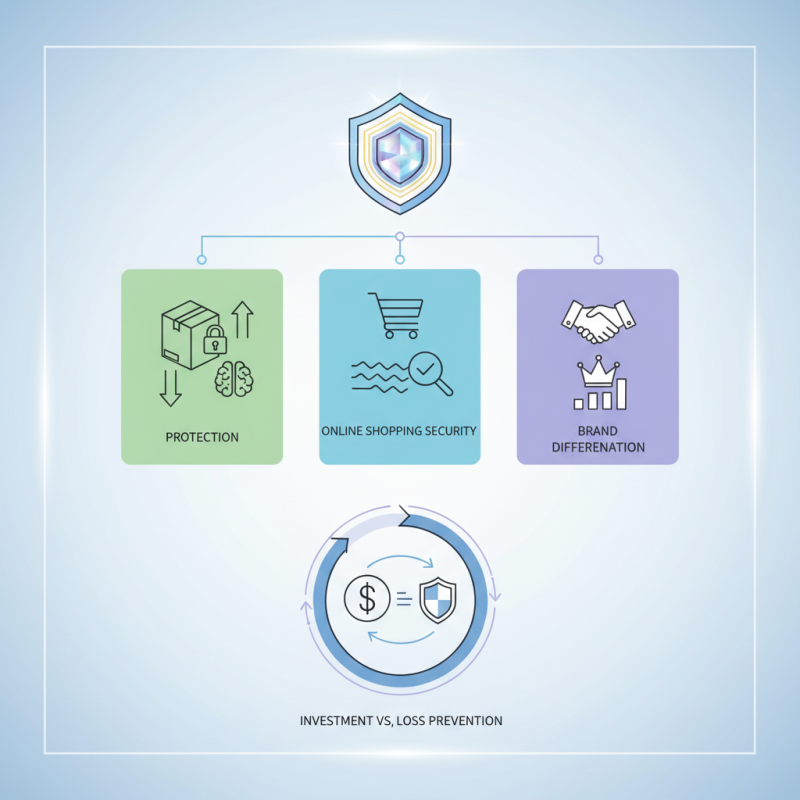
With the rise of online shopping, counterfeit products have surged. A 3D Anti-counterfeiting Label can deter fraudsters effectively. It offers a visible yet complex design that intrigues consumers. This label can help consumers verify authenticity with just a glance. However, some may argue that these labels can be costly. Yet, the potential losses from counterfeiting far outweigh the initial investment in security solutions.
Every business strives for reliability and trust. Relying solely on traditional methods may no longer suffice. A distinctive 3D Anti-counterfeiting Label can set your brand apart. The challenge lies in adapting to these new security measures. Embracing innovation will define your brand's future.
The Importance of 3D Anti-counterfeiting Labels in Product Security
The rise of counterfeiting is alarming. A recent report from the Global Brand Counterfeiting Study estimates that counterfeiting costs the global economy nearly $3 trillion annually. This staggering figure reflects a serious threat across multiple industries. Businesses are increasingly at risk. Implementing robust security measures is crucial.
3D anti-counterfeiting labels serve as a powerful tool in product protection. These labels offer unique visual features, making replication nearly impossible. Advanced technologies, such as holography and micro-printing, enhance their effectiveness. A joint report by the Anti-Counterfeiting Coalition indicates that products with such labels see a 70% reduction in counterfeiting incidents. This is not just about protecting revenue; it’s about preserving brand integrity.
Many companies underestimate the importance of adopting these technologies. Some still rely on traditional methods, which can be easily bypassed. In a world where counterfeit products can tarnish reputations, 3D labels present a strong defense. They not only provide security but also enhance customer trust. As more consumers educate themselves about product authenticity, the demand for such labels is likely to grow. Investing in 3D anti-counterfeiting measures may soon become a necessity rather than an option.
Why Do You Need 3D Anti-counterfeiting Labels for Your Products?
| Feature | Description | Benefit |
| 3D Holograms | Sophisticated graphics that change appearance based on the viewing angle. | Difficult for counterfeiters to replicate, enhancing product security. |
| Tamper-Proof | Labels that show visible signs of tampering when removed. | Protects against unauthorized access to the product. |
| Easy Verification | Embedding unique identifiers or QR codes for authentication. | Consumers can verify product authenticity instantly. |
| Customizable Designs | Labels can be tailored to specific brand designs and themes. | Enhances brand recognition and loyalty. |
| Durable Materials | Made from high-quality materials that withstand wear and tear. | Ensures the label remains intact throughout the product's lifecycle. |
Global Counterfeiting Statistics and Their Economic Impact
Counterfeiting is a significant issue that affects various industries globally. According to a report by the OECD, counterfeiting costs the global economy up to $509 billion annually. This staggering figure highlights the urgent need for robust protective measures. Companies are investing heavily in advanced security features, like 3D anti-counterfeiting labels, to safeguard their products.
In the luxury sector alone, counterfeit products account for roughly 22% of the total market. This affects not only profits but also brand reputation. Data from the International Chamber of Commerce estimates that 5% of all global trade consists of counterfeit goods. This impact extends far beyond immediate financial losses; it can harm consumer trust over time. Businesses face increasing pressure to address these concerns.
While some companies implement complex labeling systems, many still lag behind in adopting effective anti-counterfeit technologies. This reflects a gap between awareness and action. Investing in 3D labels can deter counterfeiters and protect valuable brands. The question remains: are businesses doing enough to safeguard their products? Addressing this challenge is essential for a sustainable future in any industry.
Technological Advancements in 3D Anti-counterfeiting Solutions
The rise of 3D anti-counterfeiting labels is a fascinating development. These labels use advanced technologies to secure products and ensure authenticity. They often incorporate holograms, microtext, and special inks. Each element adds a layer of complexity that is difficult to duplicate. The use of 3D printing techniques enhances visual appeal, making the labels not just functional but also attractive.
Technological advancements have made these solutions more accessible. They can be customized seamlessly to fit various products. This adaptability is crucial for businesses of all sizes. One can witness increased consumer trust when products display these secure labels. However, not all consumers understand what these labels mean. Education is key to bridging this gap.
Despite the innovations, challenges remain. Some counterfeiters are still finding ways to bypass security measures. Manufacturers must keep evolving their strategies to stay one step ahead. Regular updates and new designs can help maintain the integrity of products. The journey toward perfect security is ongoing and requires constant reflection and improvement.
Consumer Trust and Brand Integrity Enhanced by Secure Labeling
In today’s market, consumer trust is more crucial than ever. A staggering 81% of customers indicate that trust impacts their buying decisions. This highlights a need for brands to adopt secure labeling to protect their identities. 3D anti-counterfeiting labels serve this purpose effectively. These labels are not just visually appealing; they also include unique identifiers that enhance authenticity.
Reports reveal that counterfeit goods could cost the global economy nearly $4.2 trillion annually. Such staggering figures emphasize the necessity of secure labeling. Brands that adopt 3D labels often report a marked decrease in counterfeit incidents. This boosted security not only protects revenue but also reinforces brand integrity. After all, consumers feel safer purchasing from brands that prioritize authenticity.
However, implementing these labels isn’t a magic bullet. There can be initial costs that may deter smaller businesses. Some companies struggle with the complexity of integrating new labeling technologies into their existing systems. Yet, the long-term benefits often outweigh these challenges. Brands should reflect on their current practices and consider the impact of enhanced product security on consumer loyalty.
Regulatory Compliance and Industry Standards for Anti-counterfeiting Measures
Regulatory compliance is crucial in today’s marketplace. Anti-counterfeiting measures must align with industry standards. Many sectors, like pharmaceuticals and electronics, have strict guidelines. These regulations protect consumers and enhance brand integrity. Failing to comply can lead to hefty fines and reputational damage.
3D anti-counterfeiting labels serve as a robust solution. They incorporate advanced features that are hard to replicate. This technology can reduce risks linked to counterfeit products. However, not all businesses implement these measures effectively. Some may underestimate the importance of proper training for employees on label usage.
Looking beyond the basics is essential. Companies must continuously refine their anti-counterfeiting strategies. Engaging with regulatory changes can be daunting. It requires dedicated resources and ongoing commitment. Nevertheless, the benefits greatly outweigh these challenges. The shift towards 3D labeling shows promise but needs further exploration in various industries.
Importance of 3D Anti-counterfeiting Labels for Products
 Innotex Group