 Innotex Group


2026 Top Custom Sample Bags for Global Buyers
Choosing the right Custom Sample Bags can shape a buyer’s first impression of a product and its supplier. In 2026, global buyers are seeking practical designs, accurate branding, reliable protection, and responsible material choices. A sample bag may be small, yet its zipper, stitching, print quality, and packaging reveal important production details.
This guide examines leading custom sample bag options for international sourcing. It considers fabric types, bag dimensions, closure systems, handle strength, logo methods, and minimum order quantities. Buyers should request physical samples before approving bulk production. Check color consistency under natural light. Test the seams with repeated opening and closing. Measure the finished bag, not only the artwork file.
Details matter. Supplier experience also matters. Reliable manufacturers should provide clear specifications, production photos, inspection records, and realistic delivery estimates. They should explain whether materials meet the buyer’s destination-market requirements. Documentation can vary by region, so independent verification remains valuable. A polished catalog is not proof of consistent quality.
This overview is designed for importers, retailers, promotional agencies, and emerging brands comparing suppliers across markets. It highlights useful differences instead of treating every bag as interchangeable. Some recommendations may need refinement because pricing, materials, and shipping conditions change quickly. That gap matters. A low-cost sample can hide weak stitching or unstable printing. A premium option may exceed the project’s actual needs. Careful comparison, honest communication, and a documented approval process offer the safest path toward dependable Custom Sample Bags.
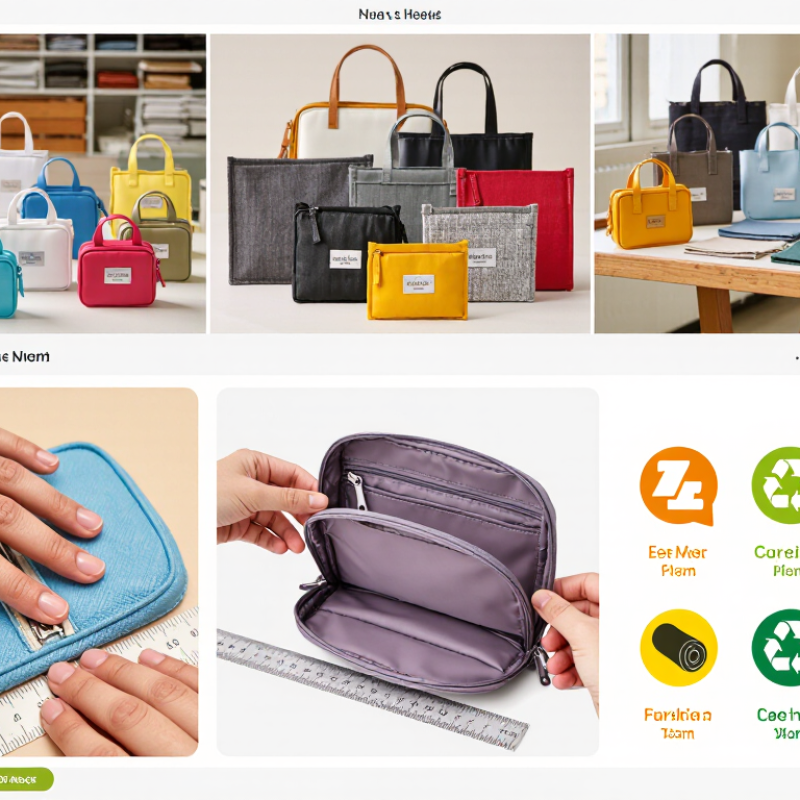
Define Custom Sample Bags Through FPA’s $40.4B U.S. Market Baseline
Custom sample bags should be defined by performance, not decoration. FPA’s 2024 industry report places U.S. flexible packaging sales at $40.4 billion. This figure gives global buyers a practical market baseline for evaluating sample-bag suppliers. It also shows why small packaging decisions deserve serious engineering.
A useful sample bag should match the intended product, filling method, and distribution route. Buyers should test film thickness, seal strength, barrier performance, dimensions, and closure consistency. FPA data identifies food as the largest flexible-packaging application, while healthcare, personal care, and industrial products also require controlled protection. A sample must survive handling, not merely look attractive.
Small details matter. A 2026 specification should record oxygen and moisture barriers, leak results, tolerances, and storage conditions. Smithers’ flexible-packaging outlook highlights lightweighting and material efficiency as continuing industry priorities. These goals can reduce material use, but thinner structures may complicate sealing or puncture resistance. That trade-off is easy to underestimate. I would request production-representative samples, not only digitally printed prototypes. Testing three batches can reveal variation that one sample hides. Buyers should also question unsupported recycling claims and ask for documented test methods. FPA’s $40.4 billion baseline is useful, but it cannot replace product-specific validation.
2026 Top Custom Sample Bags for Global Buyers - Define Custom Sample Bags Through FPA’s $40.4B U.S. Market Baseline
The U.S. flexible packaging market baseline referenced in the brief is valued at approximately $40.4 billion. The comparison below summarizes widely used custom sample-bag formats, material structures, practical capacities, and packaging considerations for international buyers.
| Custom Sample Bag Format | Typical Material Structure | Common Capacity | Typical Closure or Opening | Barrier and Protection Profile | Best-Fit Product Applications | Sustainability and Customization Considerations |
|---|---|---|---|---|---|---|
|
Flat Sachet Compact single-use sample pouch |
PET/PE, PET/CPP, or paper-based laminate with a sealant layer |
2–30 ml 2–50 g |
Three-side seal or four-side seal; tear notch optional | Good moisture and contamination protection; barrier level depends on the selected film | Cosmetics, sauces, condiments, personal-care liquids, powders, and promotional trial packs | Uses little material and supports high-speed filling; multilayer formats can be difficult to recycle in conventional systems |
|
Stand-Up Sample Pouch Self-supporting display format |
PET/PE, PET/AL/PE, PE/PE, or high-barrier laminate |
50–500 ml 50–500 g |
Heat seal, zipper, spout, or tear-open top | Good shelf visibility and stability; high-barrier versions protect against oxygen, light, and moisture | Beverages, pet food, detergents, beauty products, snacks, and household liquids | Large printable panels support multilingual artwork; mono-material PE structures may improve recyclability where collection systems accept them |
|
Flat-Bottom Sample Pouch Structured pouch with enhanced shelf presence |
PET/PE, PET/AL/PE, or recyclable PE-based laminate |
100–750 ml 100–750 g |
Top zipper, heat seal, or resealable opening | Stronger shape retention than a flat sachet; suitable for moderate-to-high barrier requirements | Coffee, dry foods, supplements, pet treats, powders, and premium product samples | Provides more usable branding area; bottom construction can increase material consumption compared with simple flat pouches |
|
Spouted Sample Pouch Controlled-dispensing liquid format |
PE-based laminate, PET/PE, or high-barrier laminate with a polymer spout | 30–250 ml | Screw cap, flip-top cap, or tear-off spout | Good liquid containment and dispensing control; cap and spout quality are critical to leakage prevention | Juice, sauces, baby-food trials, shampoos, gels, cleaners, and liquid supplements | Convenient for repeated use; the pouch and fitment may require compatible recycling streams |
|
Resealable Zipper Pouch Multi-use sample format |
PE/PE, PET/PE, PET/CPP, or kraft-paper laminate with an inner sealant layer | 50–1,000 g | Press-to-close zipper, slider zipper, or hook-to-hook closure | Good protection after opening; performance depends on zipper alignment and seal integrity | Snacks, coffee, spices, pet treats, seeds, detergents, and dry powders | Reusable during the sampling period; zipper components may complicate sorting and recycling |
|
Kraft Paper Sample Bag Paper-look format for dry products |
Kraft paper with PE, PP, PLA, or aqueous-coated inner layer | 20–500 g | Heat seal, tin tie, zipper, or folded-top closure | Suitable for dry products; grease, oxygen, and moisture resistance depend on the inner barrier layer | Tea, coffee, grains, bakery products, spices, seeds, and natural-product samples | Strong natural appearance and good printability; paper recycling compatibility depends on coating, adhesive, and local guidelines |
|
Compostable Sample Pouch Bio-based or certified compostable option |
Paper-based laminate, cellulose film, PLA, or certified compostable sealant structures | 10–500 g | Heat seal; zipper and fitments available only in compatible compostable structures | Moderate barrier performance; products with high oxygen or moisture sensitivity may require additional protective layers | Dry foods, tea, coffee, seeds, cosmetics, and sustainability-focused promotional samples | Certification and disposal instructions are essential; industrial composting infrastructure is not available in every market |
|
High-Barrier Foil Sample Bag Maximum protection for sensitive contents |
PET/AL/PE, PET/AL/CPP, or other aluminum-foil laminate | 10–1,000 g | Heat seal, tear notch, zipper, or valve | Excellent protection against light, oxygen, aroma loss, and moisture transmission | Coffee, pharmaceuticals, nutraceuticals, powdered ingredients, dehydrated foods, and sensitive chemicals | Strongest barrier option in this comparison; aluminum laminates are generally less compatible with standard flexible-plastic recycling streams |
|
Valve Coffee Sample Bag Degassing format for roasted coffee |
PET/PE, PET/AL/PE, or recyclable PE-based laminate with one-way valve | 50–500 g | Heat seal with one-way degassing valve; zipper optional | Limits oxygen ingress while allowing carbon dioxide to escape from freshly roasted coffee | Whole-bean coffee, ground coffee, limited-edition roasts, and subscription trial packs | Valve placement and seal quality affect freshness; valve components should be considered in end-of-life design |
Capacity ranges are common industry-typical specifications for sample packaging and vary according to product density, pouch dimensions, filling method, barrier requirements, and destination-market regulations.
Related Posts
-

Ultimate Guide to Selecting the Best Custom Sample Bags for Your Business Needs
-

Top 10 Tips for Choosing the Best Custom Sample Bags for Your Business
-
Top China Best Packaging Bags for Global Buyers?
-
What Are the Top 10 Types of Packaging Bags?
-
2026 Best Personalised Packaging Bags for Global Buyers
-
Reliable Chinese Manufacturing for Exceptional Custom Packaging Bags Worldwide